
Last updated November 3, 2026
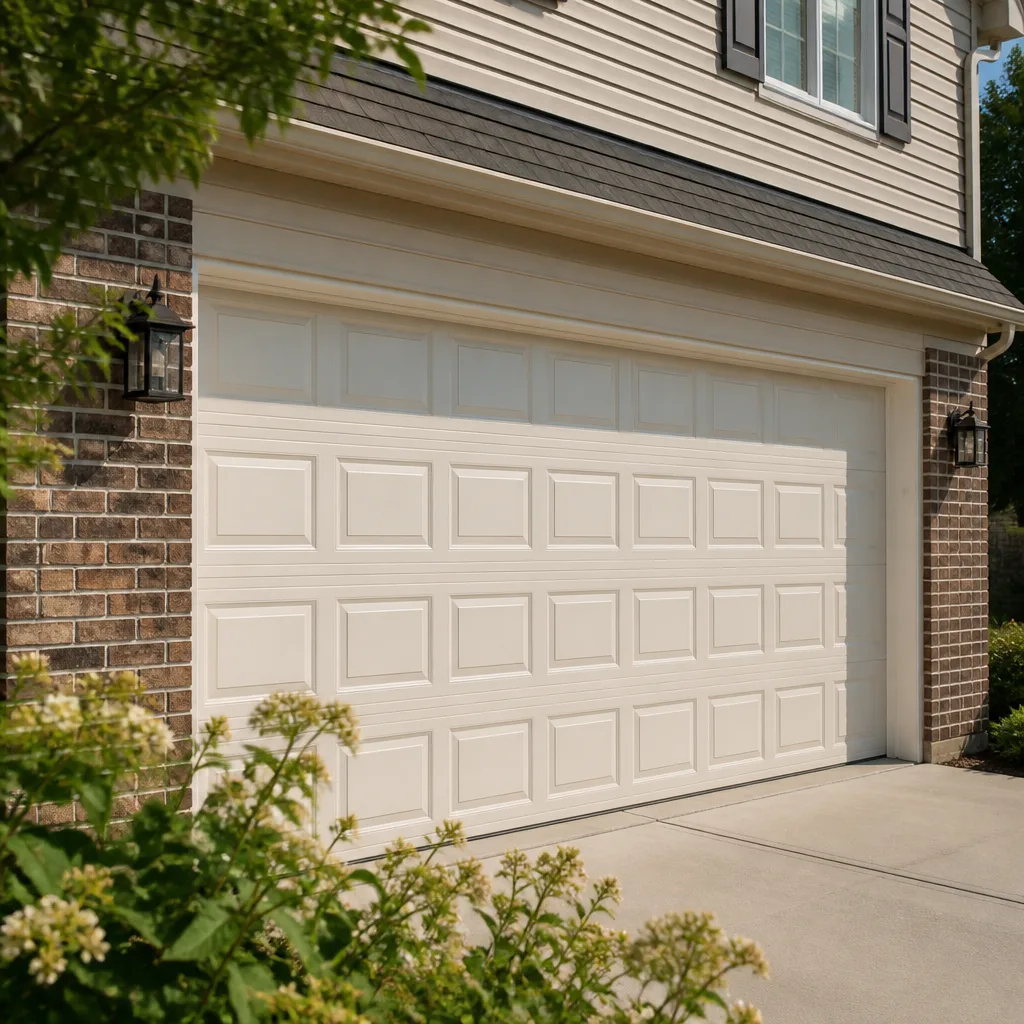 Raised-panel steel
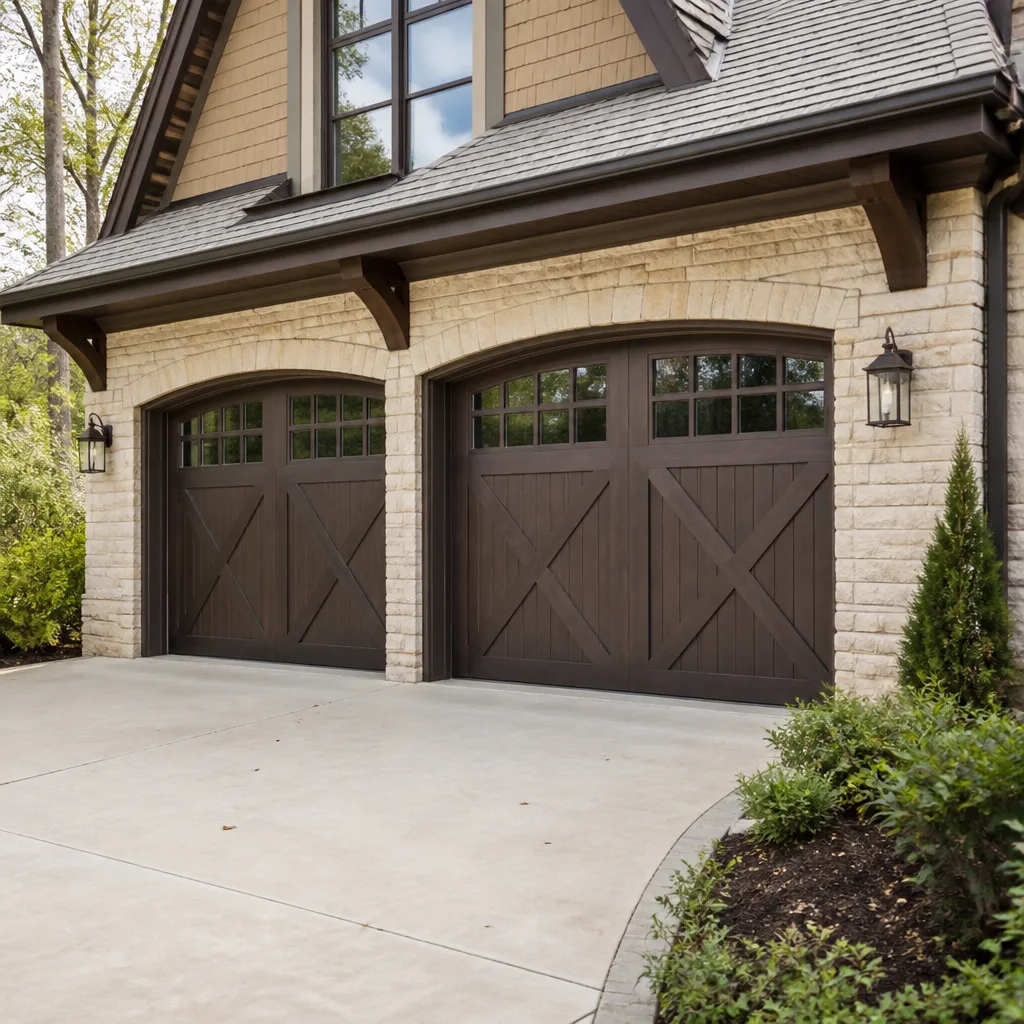 Carriage house
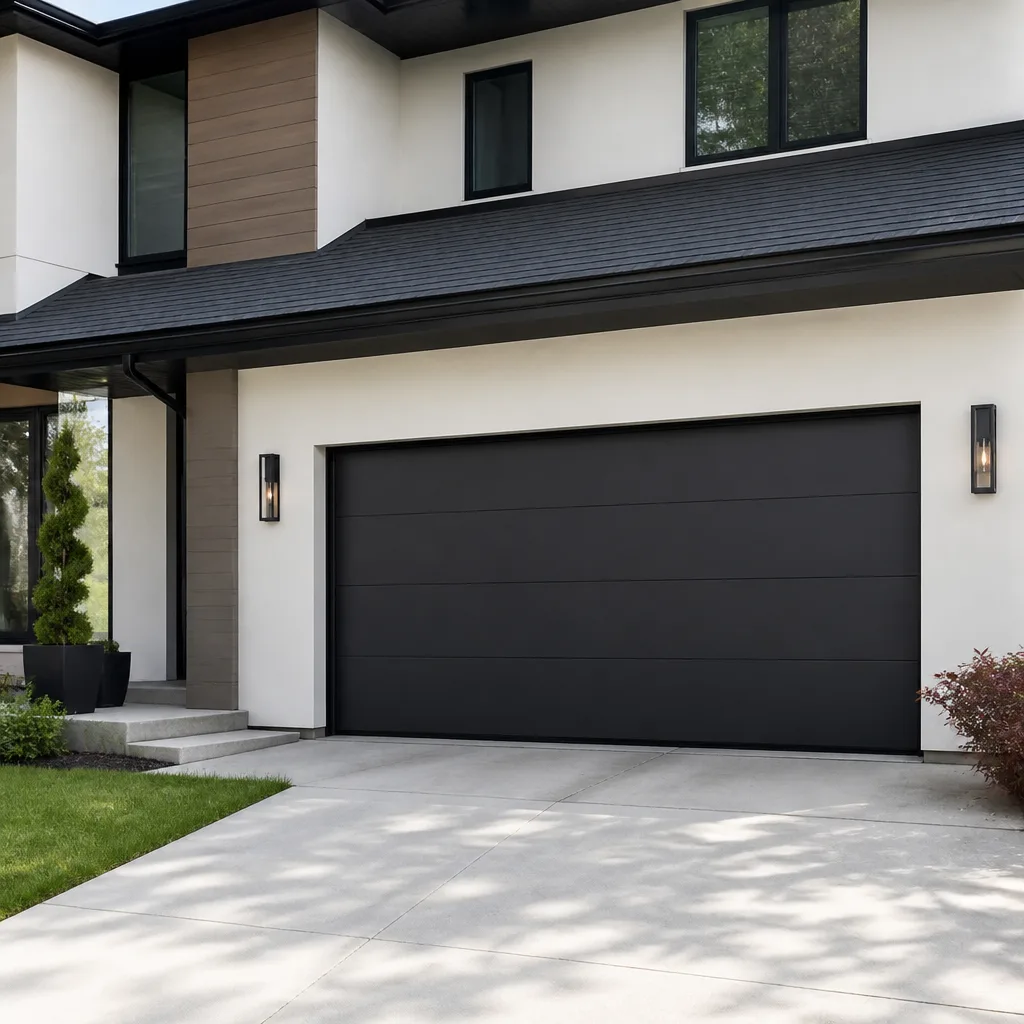 Modern flush
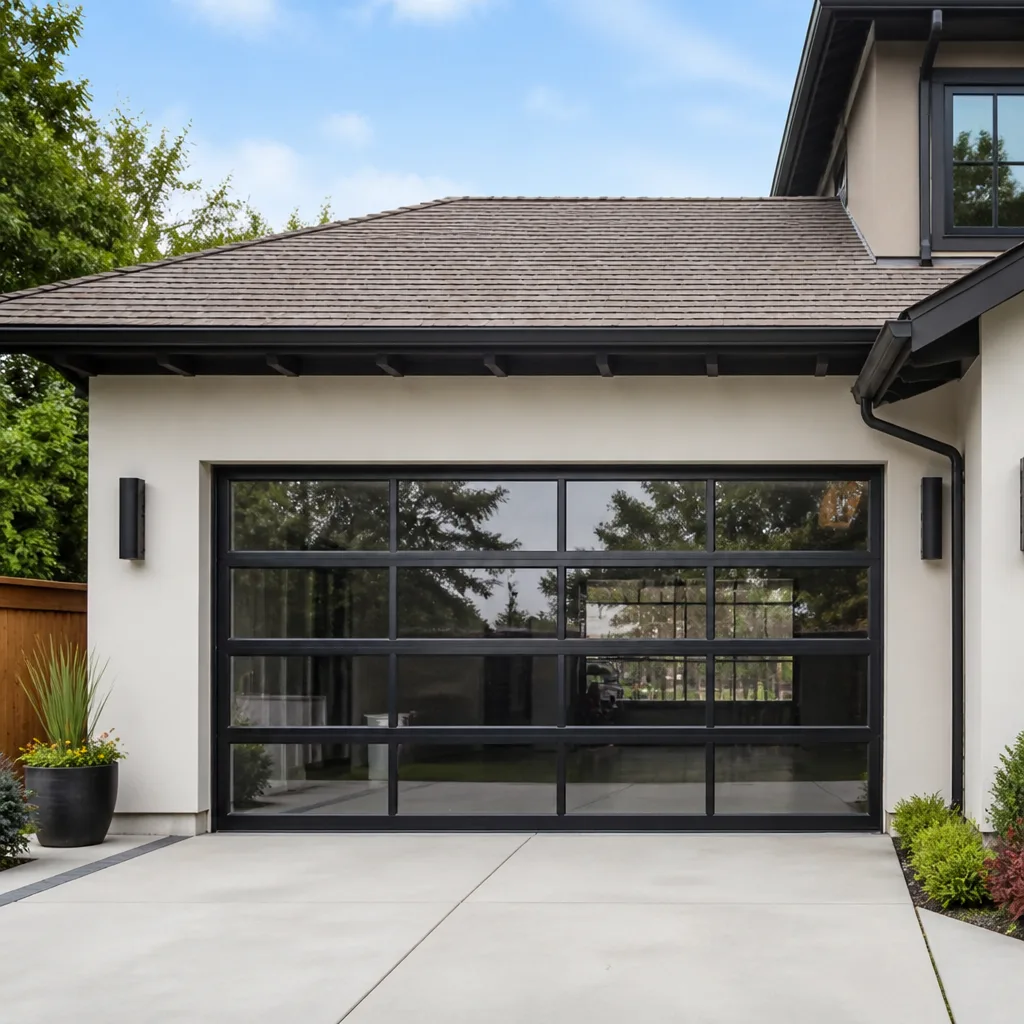 Full-view glass
 LiftMaster openers
 Chamberlain openers
Full 25-point door and opener safety check with every visit - springs, cables, rollers, tracks, and your LiftMaster or Chamberlain opener included
You get a price before we start. It does not change when the truck arrives.
Get your free estimateThe Complete Garage Door Repair Guide for Redlands Homeowners
A garage door moves more than any other mechanical system in a Redlands home. The average two-car household cycles the door four to six times daily, which adds up to 1,500 to 2,200 operations a year. Each cycle puts load on springs, cables, rollers, hinges, and the opener’s motor and logic board. Most failures are predictable weeks before they happen, if you know the early signs. This guide maps the full diagnostic path so you can walk into a Garage Door Repair services call knowing which system is failing, what a fair repair costs in Redlands, and whether the job is safe to inspect yourself. We wrote this for homeowners near the University of Redlands, in South Redlands, and up toward the San Bernardino foothills, where temperature swings hit garage hardware harder than most people expect.
Quick Answer
Most garage door problems in Redlands trace back to one of three systems: the springs, the cables and tracks, or the opener’s drive and logic board. Spring failure is the most common and the most dangerous to fix yourself, with torsion spring replacement in Redlands typically running $180 to $340 including parts and labor. If the door is crooked, grinding, or won’t respond to the remote, isolating which of the three systems is failing tells you exactly what the repair will cost and how urgent it is.
Styles & brands we work with
- Raised-panel steel
- Carriage house
- Modern flush
- Full-view glass
- LiftMaster openers
- Chamberlain openers
Table of Contents
- The Three-System Diagnostic Framework
- How Redlands Climate Affects Your Garage Door
- Garage Door Spring Repair: Costs and Safety
- Cable and Track Problems: What to Check and What to Leave Alone
- Opener Repair by Brand: LiftMaster, Chamberlain, Genie, Craftsman
- A Maintenance Timeline Based on Usage Cycles, Not Months
- Common Mistakes to Avoid
- When to Call a Professional
- Frequently Asked Questions
The Three-System Diagnostic Framework
Every garage door failure falls into one of three categories. Knowing which category you’re dealing with determines the cost and timeline, and it tells you whether you can diagnose the issue yourself or should step away from the door entirely – something we explore in depth in DIY vs Professional Garage Door: The Redlands Homeowner’s Decision Guide.
System 1: Springs
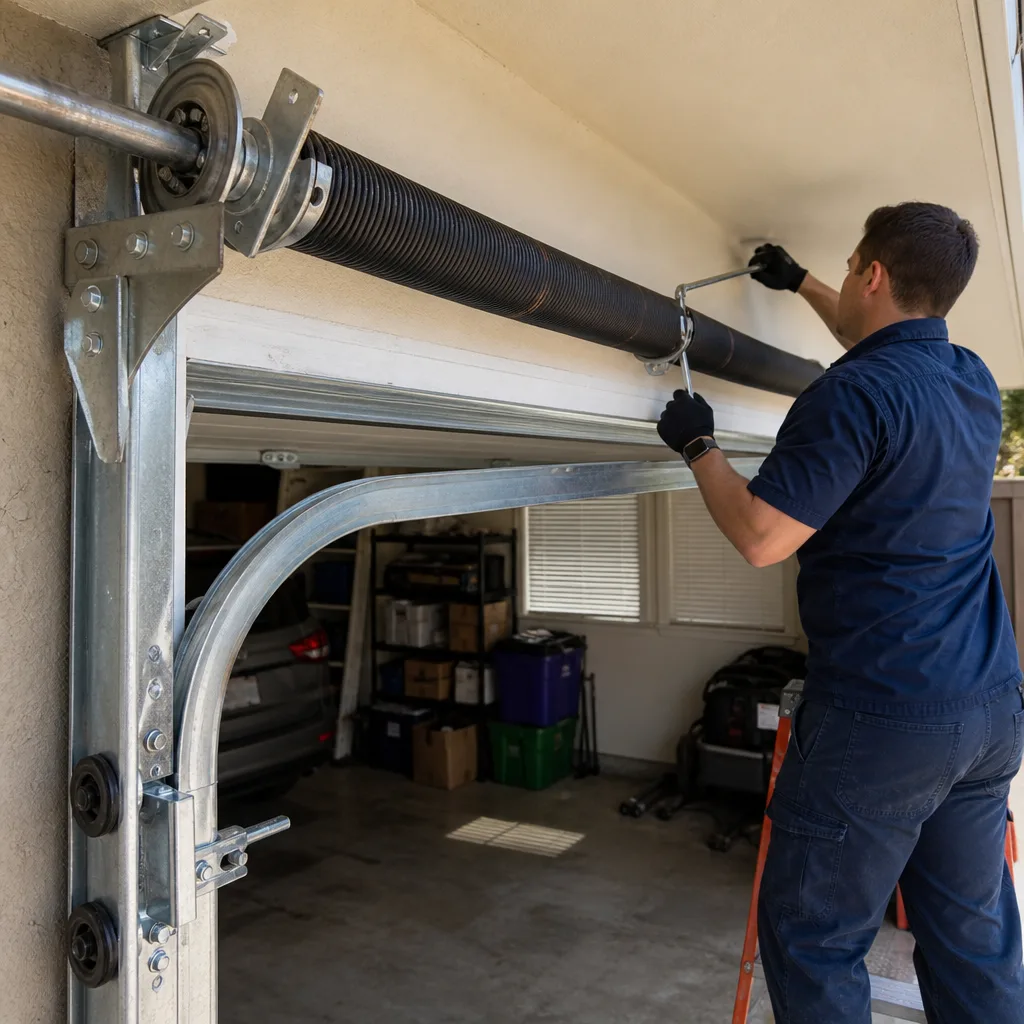
Springs counterbalance the entire weight of the door, which for a standard 16-foot steel door is between 130 and 220 pounds. When a torsion spring breaks, you’ll hear a sound like a gunshot from inside the garage. The door may open a few inches and stop, or it may not move at all even with the opener running. Extension springs, more common on older Redlands homes, snap visibly and leave a dangling cable. Spring failure is a stop-and-call situation: the opener cannot lift the door without a functioning spring, and forcing it burns out the motor.
System 2: Cables, Tracks, and Rollers
If the door moves but is noisy, shakes, or tilts to one side, the problem lives in this system. Cables fray over time, rollers wear flat spots, and tracks accumulate dirt or bend from impact. In Redlands, the fine dust that blows in from the washes and citrus groves works its way into roller bearings and track channels faster than in coastal cities. A door that’s 3/4 inch out of alignment vertically is a cable or roller issue, not a spring issue.
System 3: The Opener
If the springs are intact and the door moves smoothly by hand when you pull the red release handle, the problem is the opener. Opener failures are usually electrical: a dead capacitor, a failed logic board, a stripped gear, or sensors knocked out of alignment. Each of the major brands fails in its own pattern. A Chamberlain that hums but doesn’t move is often the starter capacitor. A LiftMaster that opens but won’t close is frequently the safety sensor circuit. A Genie that moves in jerks commonly has a failing drive belt. A Craftsman unit that runs for a second then reverses is usually the travel limit module losing calibration.
Isolating the system before calling saves you money because you can describe the exact symptom instead of just “it’s broken.” Technicians at Garage Door Repair Redlands home service calls all start with this same three-system triage.
How Redlands Climate Affects Your Garage Door
Redlands sits at roughly 1,350 feet near downtown but climbs past 2,000 toward the hills along Sunset Drive and the neighborhoods below the San Bernardino National Forest boundary. That elevation spread means January nights in the low 30s and July afternoons pushing 100 degrees, as covered in The Complete Guide to Garage Door in Redlands. Steel expands and contracts across that range, and torsion springs lose a measurable amount of tension per 10,000 cycles under these swings.
Two climate factors hit garage hardware harder in Redlands than in most of Southern California. First, the dry heat. Low humidity means the thin factory grease on torsion springs and roller bearings dries out faster. Metal grinds on metal, and a spring that would last 12,000 cycles in a coastal climate might make it to 9,000 in a Redlands garage without re-lubrication. Second, the thermal swing between the garage’s interior and the afternoon sun heating the door’s exterior panels. That daily expansion and contraction loosens the lag bolts on track brackets over years, which is why we see doors that were smooth three years ago now catching at the same spot every cycle.
Homes in the older Craftsman neighborhoods near downtown Redlands, where garages date to the 1920s through 1950s, often have original track hardware. The combination of age and thermal cycling means track brackets need re-tightening more often there than in newer construction in the North Redlands development corridors.
Garage Door Spring Repair: Costs and Safety
Garage door spring repair in Redlands typically costs between $180 and $340 for a torsion spring replacement, parts and labor included. This is squarely in the professional-only category for a reason that cannot be overstated: a torsion spring under full tension carries enough stored energy to break bone or worse if it releases while someone is working near it. We say this as a company that does this work daily: do not attempt torsion spring work with improvised tools or a YouTube tutorial. The winding and unwinding process uses purpose-built winding bars, and if you don’t have them, you don’t have the job.
Extension springs, by contrast, are less dangerous but still not beginner-friendly. They stretch and contract along tracks on older doors. If one snaps, the cable and pulley can whip. We recommend replacing both springs on any door where one has failed, because the surviving spring is at the same cycle count and will fail soon after. Replacing a pair is marginally more expensive than replacing one and avoids a second service call in 30 days.
What Affects the Cost
- Spring type: Torsion costs more than extension because the hardware is heavier and the labor more involved.
- Door weight: A solid wood door from a Raynor or Clopay estate-style line needs a heavier spring than a standard steel panel door.
- Cycle rating: Standard springs are rated for 10,000 cycles. Upgraded 20,000-cycle springs cost $30 to $60 more and last roughly twice as long, which makes sense for a two-car Redlands household cycling the door 1,500+ times a year.
- Time of service: A same-week scheduled repair is easier to fit in than an emergency call, and you get the price before we start.
For a detailed breakdown of what to expect when you schedule spring work, see our guide on Garage Door Repair in Redlands, which covers the full process from initial call to final balance test.
Cable and Track Problems: What to Check and What to Leave Alone
Cables and tracks are the easiest system to misdiagnose because the symptoms overlap with spring failure. A door that cocks to one side when lowering could be a broken cable, a bent track, or a worn roller, and the correct fix differs in cost by a factor of four.
How to Isolate Cable and Track Issues
- Pull the manual release handle with the door fully closed. Lift the door by hand to knee height. If it moves smoothly but resists above shoulder height, the springs are doing their job and the track is likely fine.
- Look at the cables on both sides. They should be taut and wound evenly around the drums. If one cable is slack or the drum shows uneven winding, the cable or drum is failing. Do not touch. This system is under load.
- Run your finger along the track interior (only with the door closed) where the rollers travel. If you feel a ridge, dent, or bulge, that’s the catch point. Track bends happen from bike handlebars, lawn equipment, and the occasional car bumper.
- Inspect the roller wheels. Nylon rollers with cracked or missing rims need replacing. Steel rollers that have flat-sided bearings make a grinding sound and are usually at end of life.
Cable replacement runs $150 to $250 in Redlands. Track realignment or minor bend correction runs $125 to $200. Roller replacement for a full set of ten to twelve rollers costs $100 to $180. The price difference between a track issue and a drum replacement matters, so we quote the repair by item and agree on the number before any work starts.
Opener Repair by Brand: LiftMaster, Chamberlain, Genie, Craftsman
Brand fluency matters in opener repair because each manufacturer uses different logic boards, different safety sensor communication, and different failure patterns. A technician who only knows generic troubleshooting will replace parts by guesswork. We work on what you already have, which means diagnosing the specific opener in your garage, not selling you a new one unless the cost-to-fix genuinely favors replacement.
LiftMaster
LiftMaster is the professional-install brand that shares a parent company with Chamberlain. The units are durable but often develop logic board issues that present as intermittent operation: the door opens fine for a week, then ignores the remote entirely for an afternoon. In Redlands, we see LiftMaster openers installed in newer construction in the developments east of Wabash Avenue. Common repairs include travel limit calibration, sensor wiring, and capacitor replacement, typically $150 to $250 depending on the part.
Chamberlain
Chamberlain openers are the DIY-store line. They run the same core motor as LiftMaster but with lighter-duty drive components. The most common failure is a stripped drive gear, which produces a humming motor with no door movement. Gear replacement runs $150 to $200 and is a maintenance repair, not a sign the opener is dead. We also replace Chamberlain safety sensors, which drift out of alignment and blink a code at you that the manual describes only vaguely.
Genie
Genie uses a different travel-control design than LiftMaster and Chamberlain. Where Chamberlain units use a travel module, many Genie models use a physical limit switch system that wears itself loose over years. The symptom is a door that reverses quickly after closing, which homeowners often misread as a sensor problem. Genie-specific diagnostics take a technician who has actually worked on Genie hardware, not just read about it.
Craftsman
Craftsman openers were manufactured by a rotating cast of suppliers over the years, which means a 2005 Craftsman and a 2018 Craftsman share a name but not much else internally. The newer models have board-level issues. Older ones have mechanical assembly wear. Either way, opener repair on a Craftsman unit typically runs $125 to $225, and we offer a straight answer on whether the unit is worth repairing or if the money is better spent on a new opener installed the same day.
Opener repair in Redlands is covered in detail on our Garage Door Opener Repair in Redlands page, including response expectations and the diagnostic sequence we use on the truck.
A Maintenance Timeline Based on Usage Cycles, Not Months
Calendar-based maintenance schedules are misleading. A Redlands snowbird who’s gone four months a year cycles their door far less than a family with two cars, two working adults, and teenagers who leave at different times. Maintenance should be tracked by cycles, and the average homeowner can estimate their cycle count easily: multiply daily cycles by days of use.
Every 1,000 Cycles (about every 4-6 months for a two-car household)
- Apply white lithium grease to the torsion spring. Do not use WD-40; it’s a solvent, not a lubricant.
- Wipe the track interiors with a dry cloth to remove Redlands dust buildup.
- Test the auto-reverse safety feature by placing a 2×4 flat under the closing door. It should reverse on contact.
Every 3,000 Cycles (about every 12-18 months)
- Tighten all track bracket bolts and hinge bolts. Redlands thermal cycling loosens these steadily.
- Inspect the cables for fraying. A cable with visible broken strands is a replace-now item.
- Check the opener’s drive belt or chain tension. A loose chain slaps and accelerates gear wear.
Every 10,000 Cycles (about every 5-7 years for average use)
- Replace springs proactively, even if they haven’t snapped. A spring at its cycle limit is a failure waiting for a cold morning, and Redlands winters deliver those mornings.
- Replace rollers with nylon units if the current set predates this interval.
- Have the opener’s logic board and capacitor tested for voltage stability.
We tell Redlands customers that the cheapest service call is the one that never happens. A maintained door in Redlands runs 12,000 to 15,000 cycles on upgrade springs; an ignored one fails at 8,000 and costs more than the maintenance ever would have.
Common Mistakes to Avoid
- Spraying WD-40 on springs and rollers. It washes away the grease that protects the metal and accelerates wear. Use a lithium-based grease made for garage doors.
- Replacing only one spring on a two-spring door. The other spring is at the same cycle count and will fail within weeks. Replacing the pair costs about 30% more than one and eliminates the second service call.
- Forcing the opener to lift a door with a broken spring. The opener motor wasn’t designed to lift a 150-pound dead load, and running it against a broken spring burns out the motor in days. This turns a $200 spring job into a $500 spring-and-opener job.
- Ignoring a door that’s slightly crooked. A 3/4-inch tilt today is a broken cable tomorrow. Catching the issue at the tilt stage means a $150 track or roller repair instead of a $250 cable job with potential panel damage.
- Using generic replacement parts on a name-brand door. A Clopay, Amarr, Wayne Dalton, or Raynor door is designed around specific hinge and roller dimensions. A generic hinge that’s slightly off changes the door’s balance and wears the springs unevenly. Brand-specific parts, not generic substitutes.
- Running the door without testing the auto-reverse after any service. Every opener manufactured after 1993 has a photo-eye sensor and contact reverse mechanism. After any adjustment, test both. A door that doesn’t reverse on contact is a safety liability and a code violation in Redlands.
- Deferring maintenance because the door “still works.” Garage doors don’t fail gradually in a way that’s obvious. They fail suddenly on the coldest morning of the year. The maintenance window is when the door still opens, not after it stops.
When to Call a Professional
Call a professional the moment you hear a loud snap from the garage, see a visible gap in a torsion spring, or notice frayed cable strands. These are load-bearing components under tension, and the failure mode is sudden. The same applies if your door has jumped its track, if a panel is cracked from an impact, or if the opener’s logic is behaving intermittently in a way that suggests an electrical fault rather than a mechanical one. Do not attempt to rehang a door that has fallen off its track; the cables and drums are now loaded in a direction they were never designed to hold.
If you’ve isolated the problem but don’t have the specific tools, the load-rated hardware, or the training for that particular repair, step away. Garage Door Repair Redlands offers free estimates in Redlands, and every quote is agreed before work starts. Call (833) 589-9897 and describe what you’re seeing. The estimate is free, and at minimum you’ll know which system is failing and what the repair range looks like before you commit to anything.
Frequently Asked Questions
Most garage door repairs in Redlands run between $125 and $340 depending on the system. Roller replacement is on the low end at $100 to $180, spring replacement in the middle at $180 to $340, and opener gear or board work at $125 to $250. The price is quoted line by line and agreed before any work begins, so there’s no surprise line item at the end. Call (833) 589-9897 for an exact quote on your door’s specific issue.
Repair calls in Redlands are scheduled quickly, and genuine emergencies like a door stuck open or a snapped spring get priority routing. If your door is secure but unusable, we’ll get you the earliest slot. If it’s stuck open with a car inside, tell the dispatcher, because that changes the scheduling order. Call (833) 589-9897 and we’ll tell you honestly when a technician can be there.
No. The quote we give is the quote we honor. If the diagnostic reveals a second issue, we stop and get your approval on any additional line item before touching it. You’ll never get a bill that’s higher than the number you agreed to without a conversation first. That’s standard for us on every Garage Door Repair in Redlands job.
Yes, for the jobs that make up 90% of our service calls: torsion springs in common wire sizes, extension springs, cables, rollers, hinges, sensors, capacitors, and opener gears for LiftMaster, Chamberlain, Genie, and Craftsman units. Door manufacturers like Clopay, Amarr, Wayne Dalton, and Raynor use some proprietary hinge and roller specs, and for those we order the correct part rather than installing a generic that doesn’t fit right. Most repairs are completed on the first visit.
The bang itself is the sound of a torsion spring snapping, and the danger at that moment has mostly passed. What’s dangerous is attempting to lift the door or work near the spring afterward. The door is now unbalanced and can come down hard, and the remaining spring is still under tension. Leave the door as it is, keep children away, and call us. Spring replacement in Redlands is a same-day job for us in most cases.
If the panels are structurally sound and the track is straight, repair almost always costs less than replacement. A 20-year-old door on a Redlands mid-century home is often a heavier steel or wood unit that was built to last, and we work on what you already have. Where replacement makes sense is when the door has significant rust through the panels, cracked sections, or an obsolete track system that can’t be sourced. For new door pricing and selection, see our Garage Door Installation in Redlands page, which walks through manufacturers and what a full install includes.
The Bottom Line
Your garage door is a three-system machine, and most problems in Redlands trace to one identifiable failure point: a spring at the end of its cycle life, a cable or roller worn past tolerance, or an opener’s electrical component failing under load. Isolating the system before you call gives you a realistic cost range and prevents misdiagnosis. Maintenance tracked by usage cycles, not calendar dates, extends spring life and catches cable wear before it becomes a break. When a repair exceeds your comfort or tool set, call the specialist who knows the brand on your ceiling. That’s Garage Door Repair Redlands home: repair, opener service, or full installation handled by one team. Call (833) 589-9897 for a free estimate, and we’ll give you a number before any work starts.
Written by the team at Garage Door Repair Redlands, serving Redlands since 2018. For more guides & resources, visit our blog.
See the difference
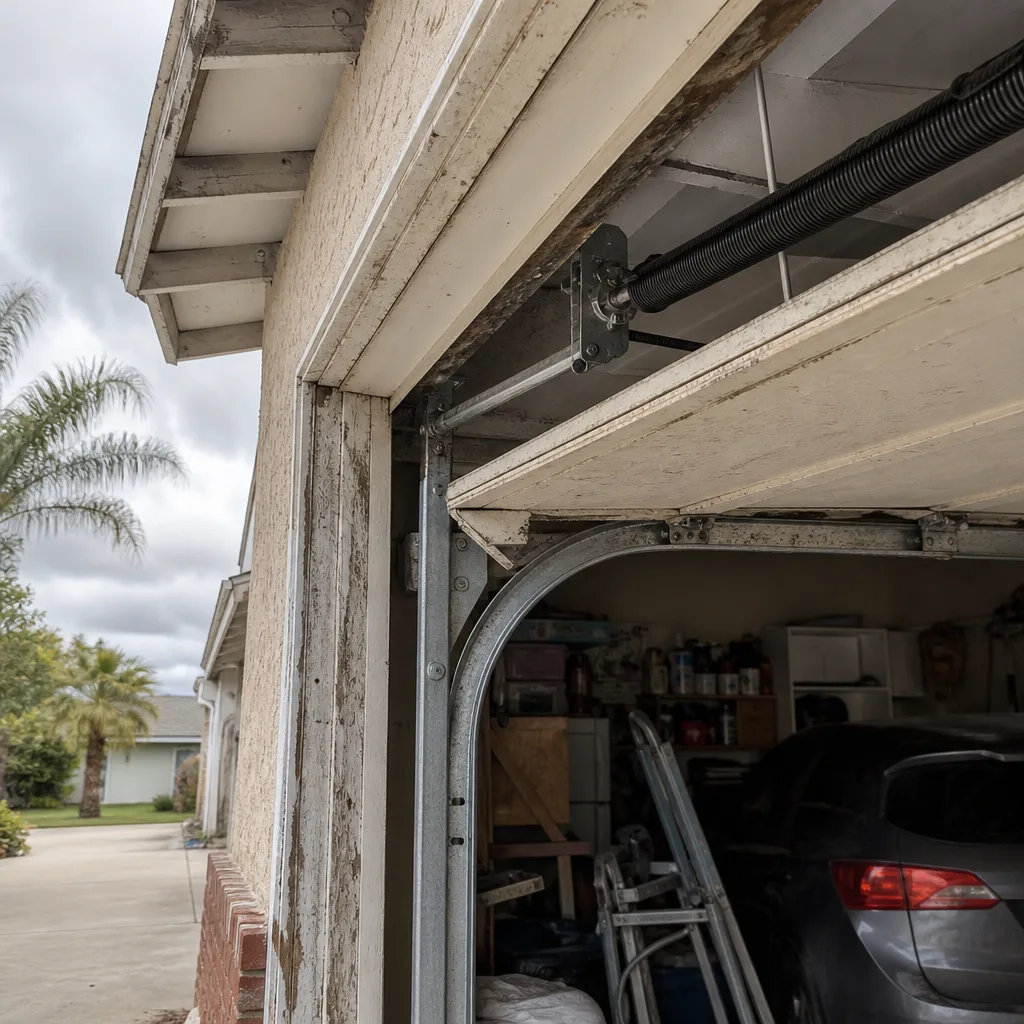 Before
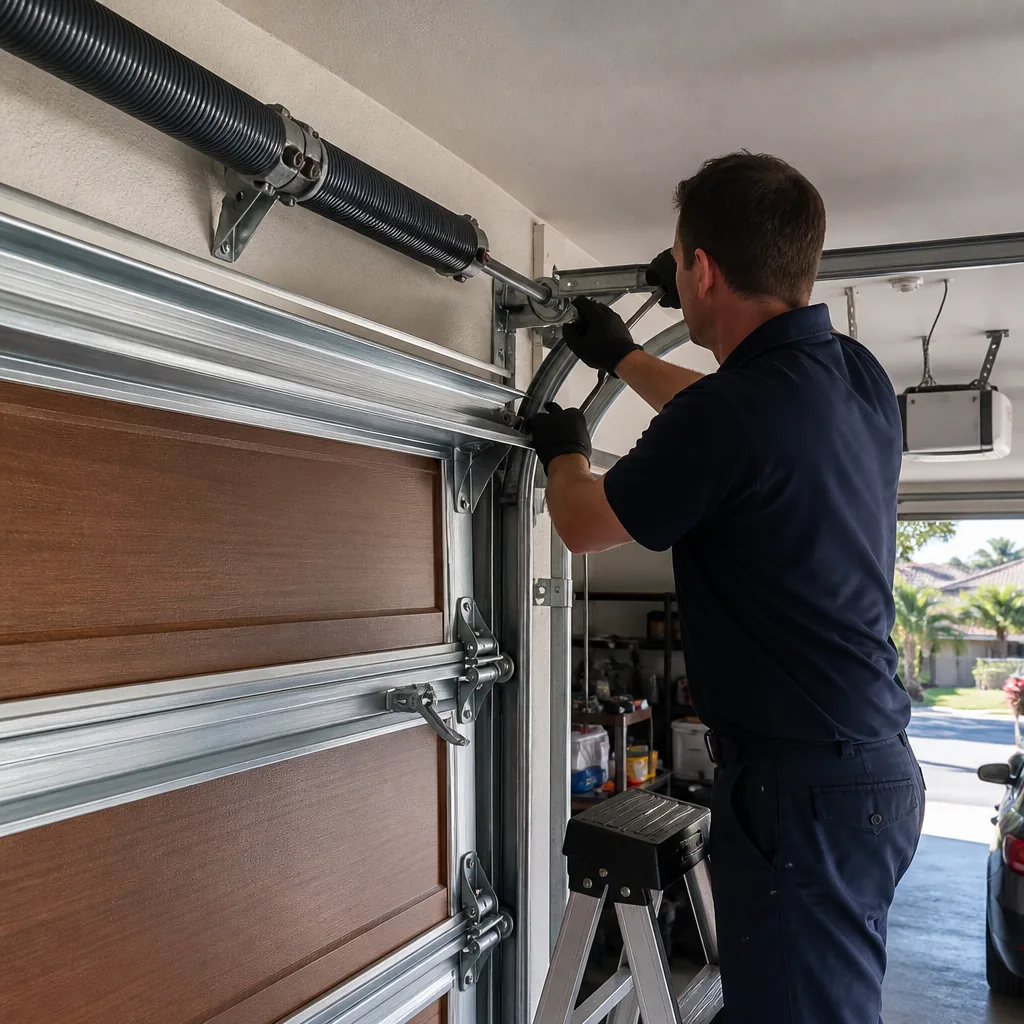 After
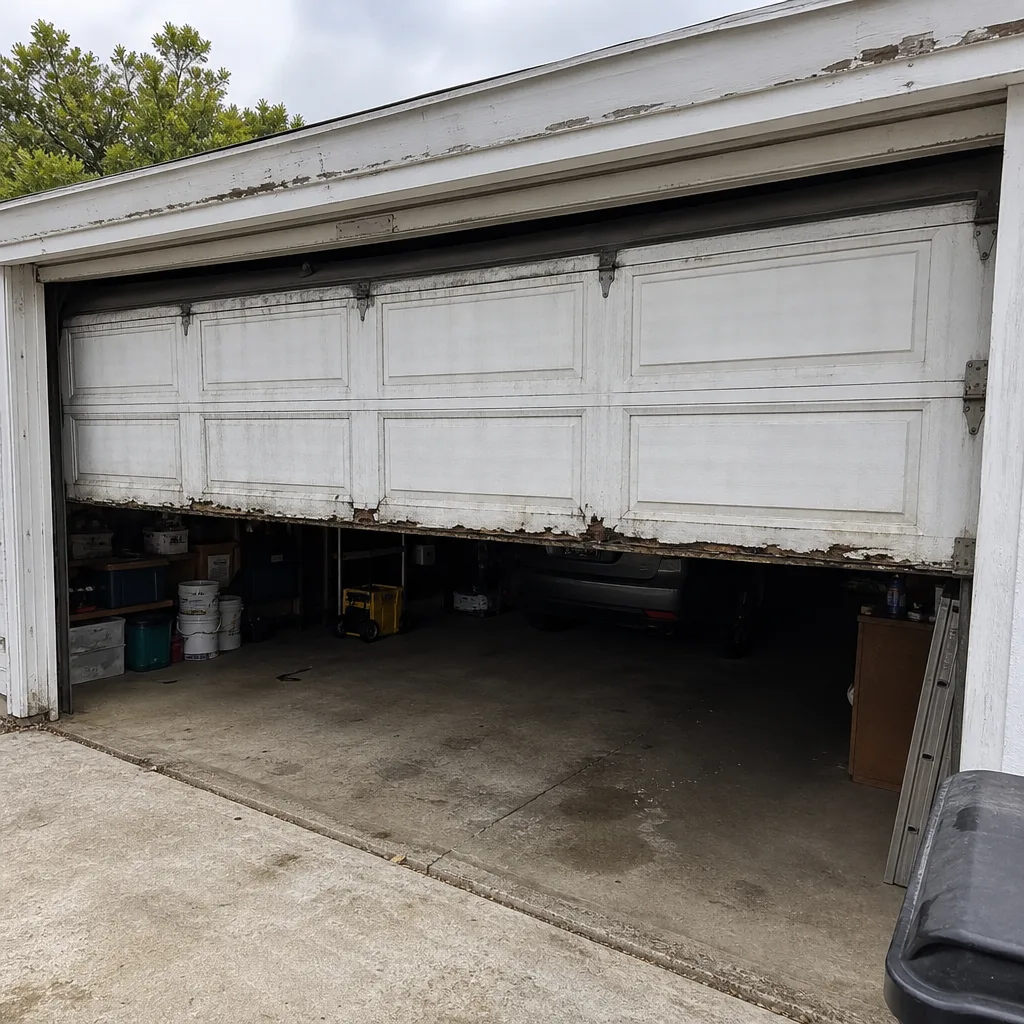 Before
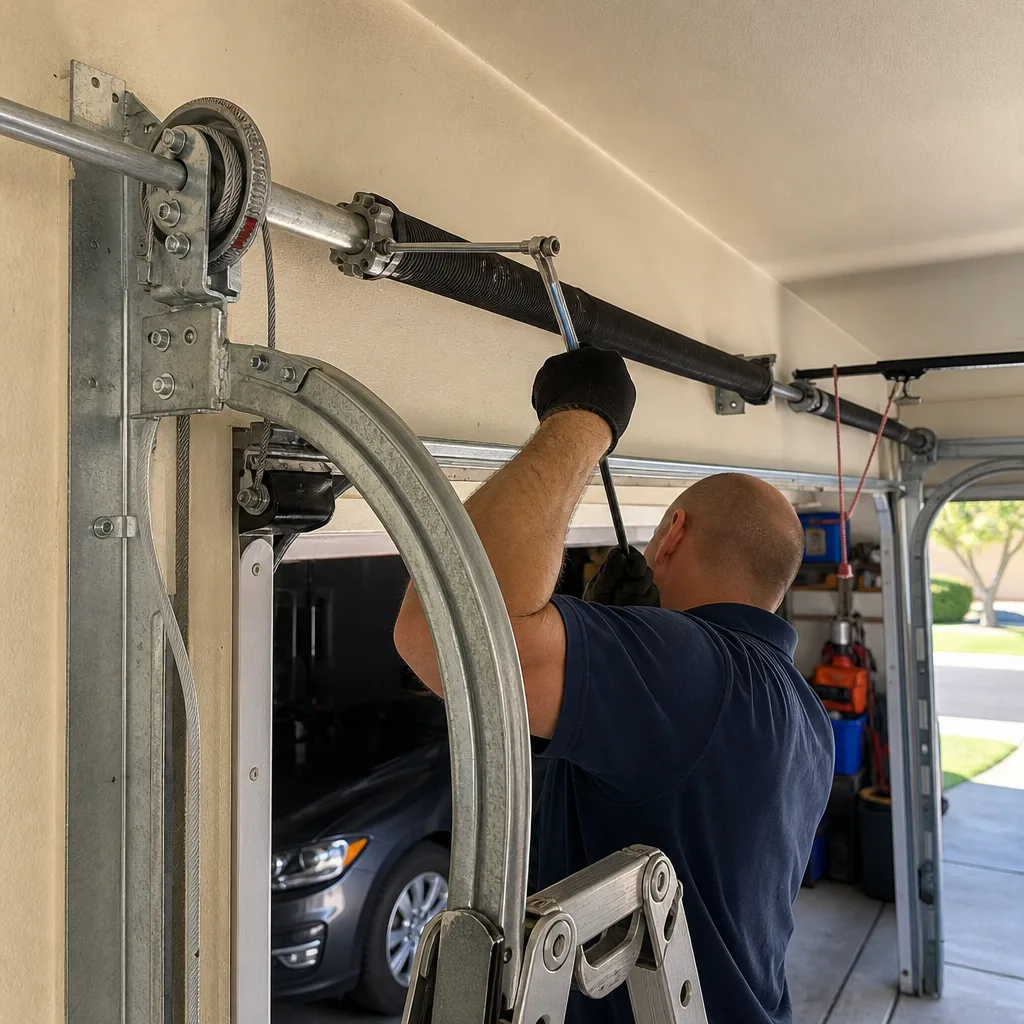 After
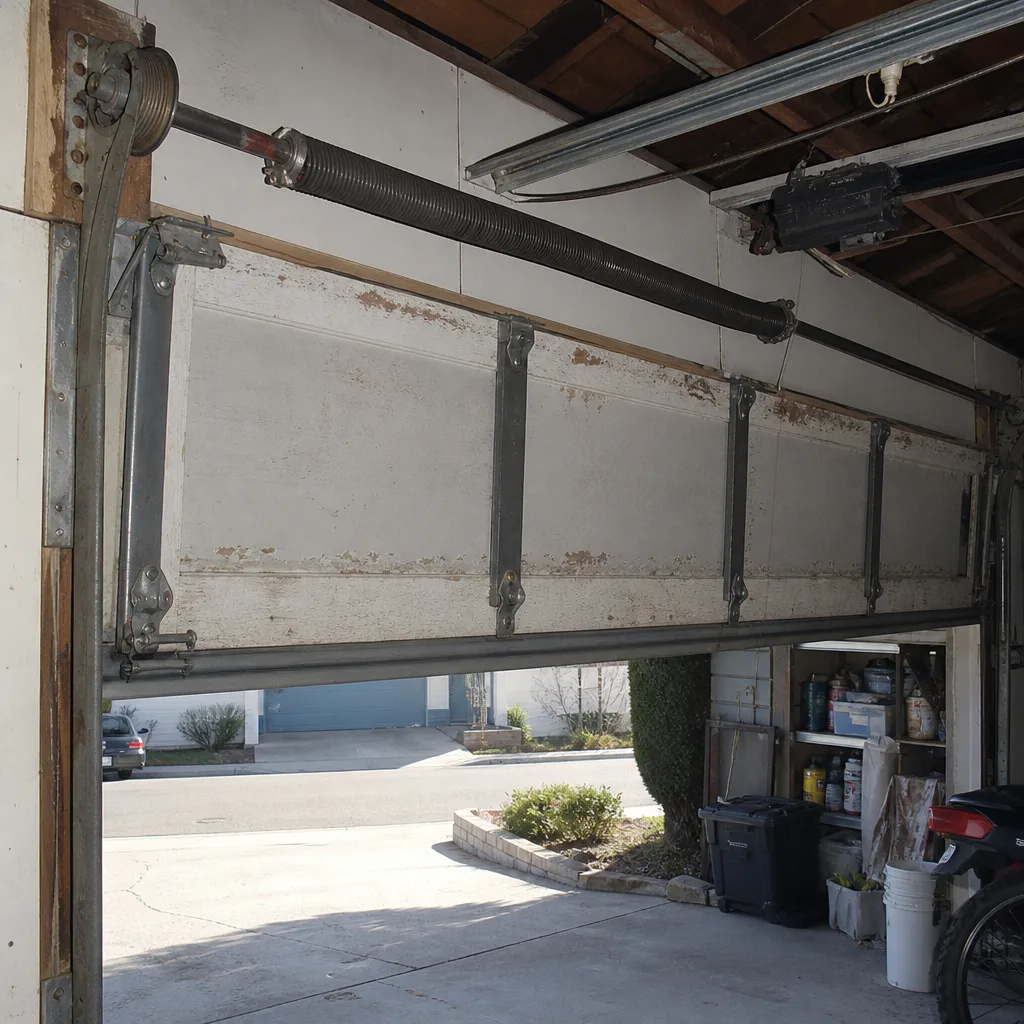 Before
 After