
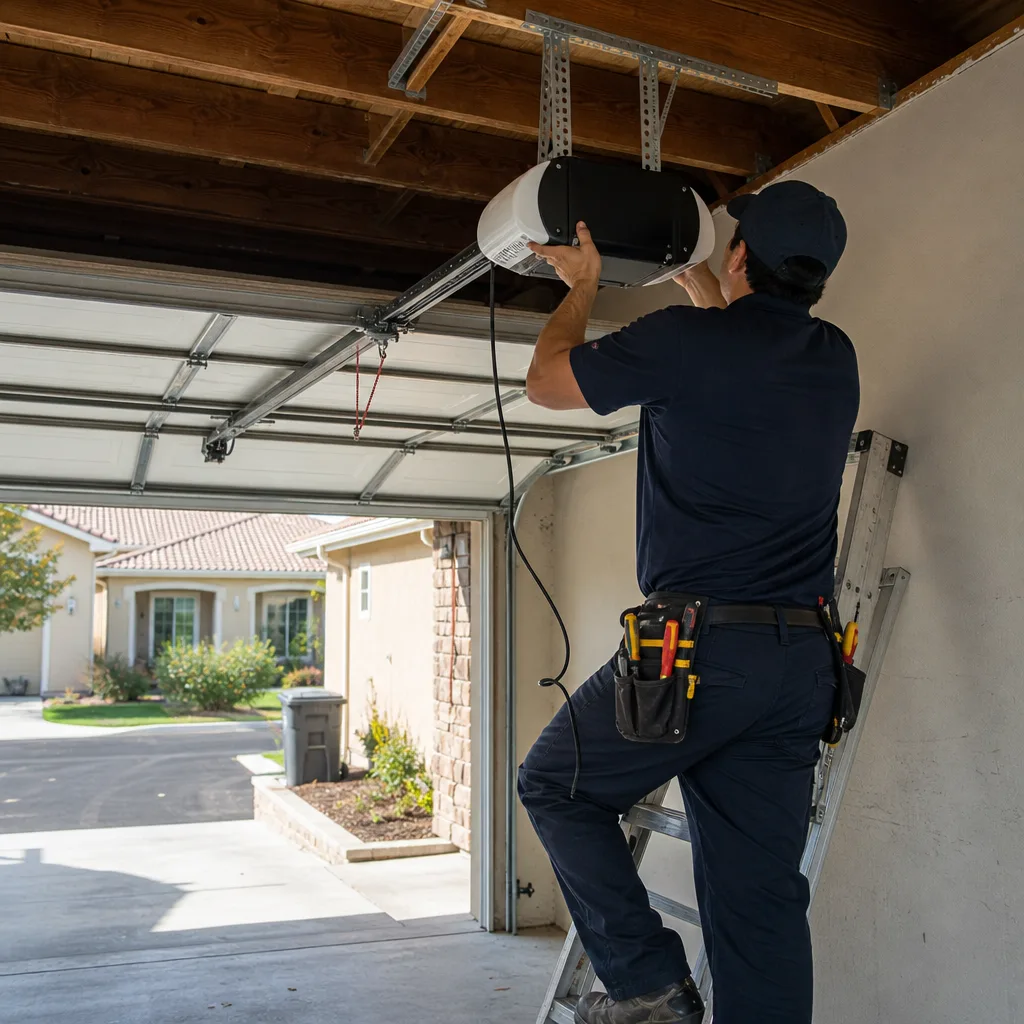
Last updated November 2, 2026
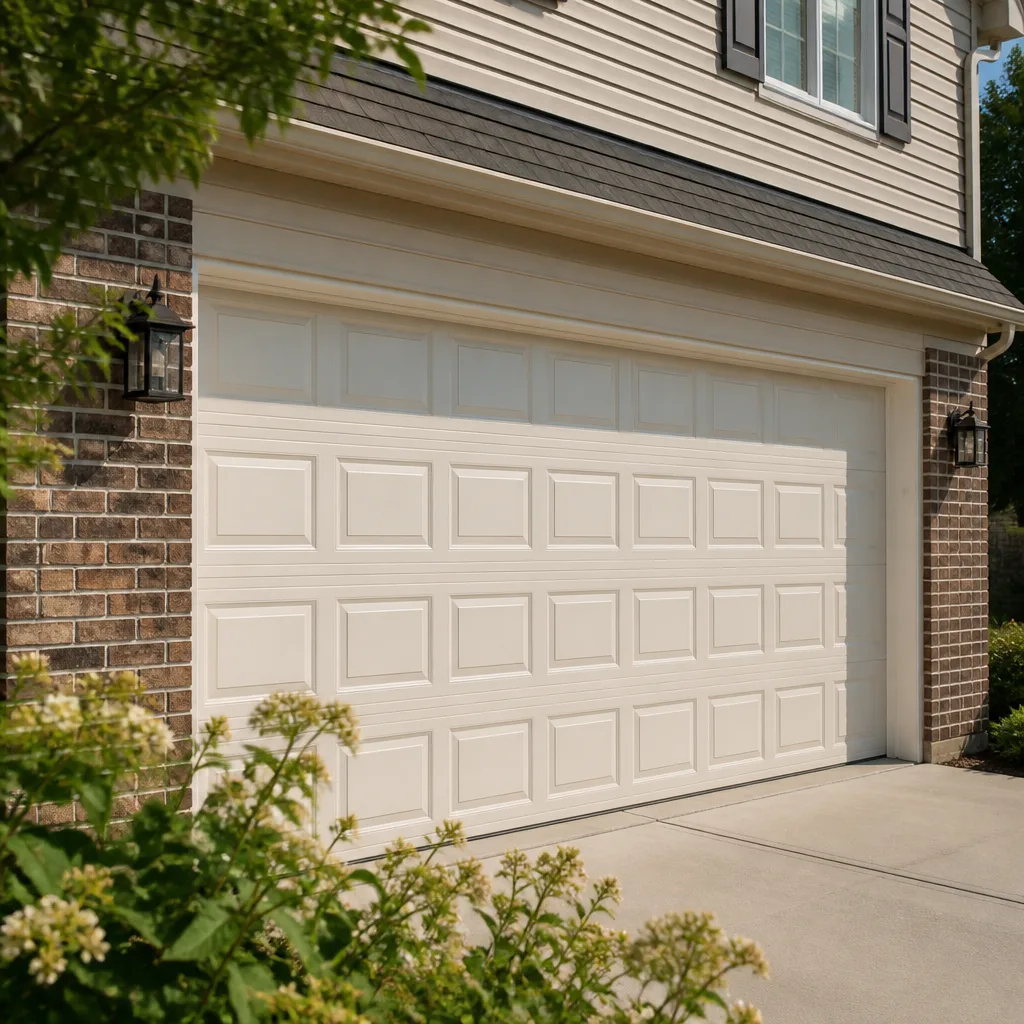 Raised-panel steel
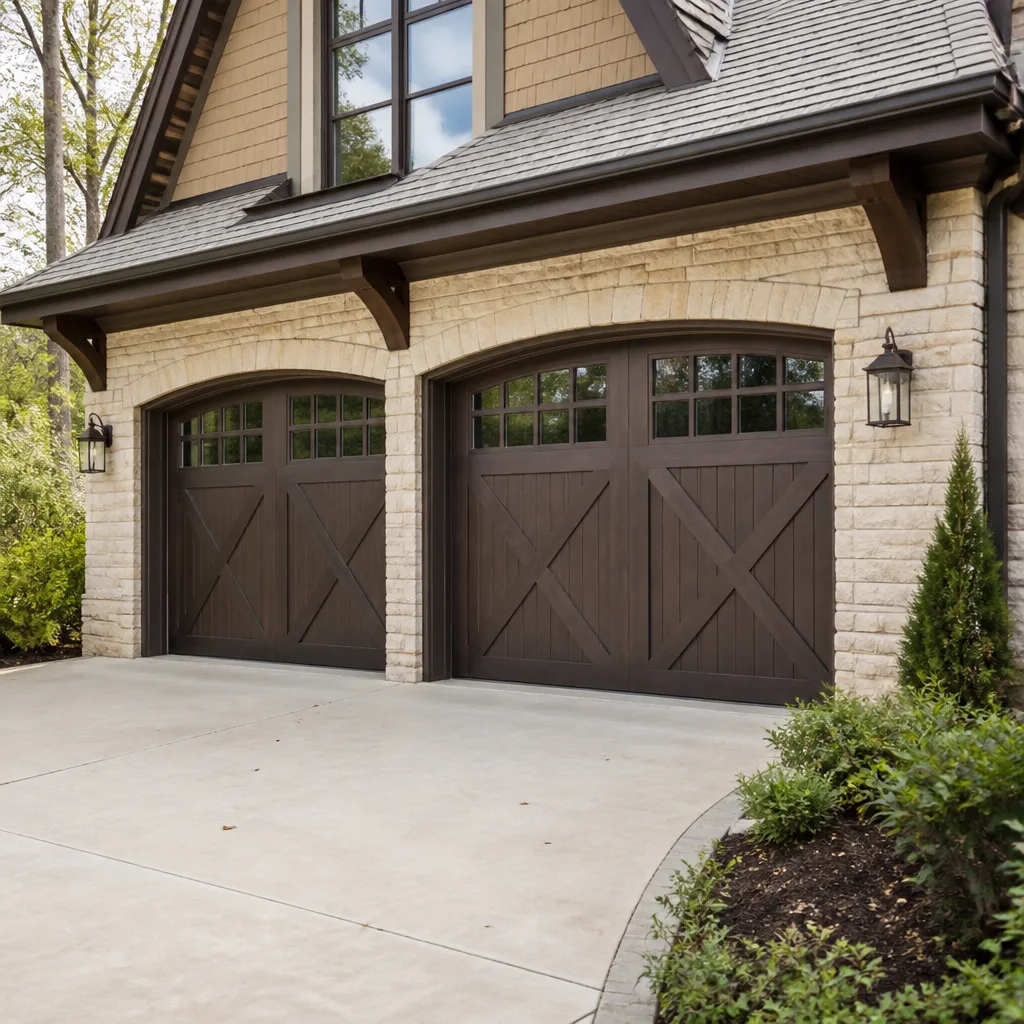 Carriage house
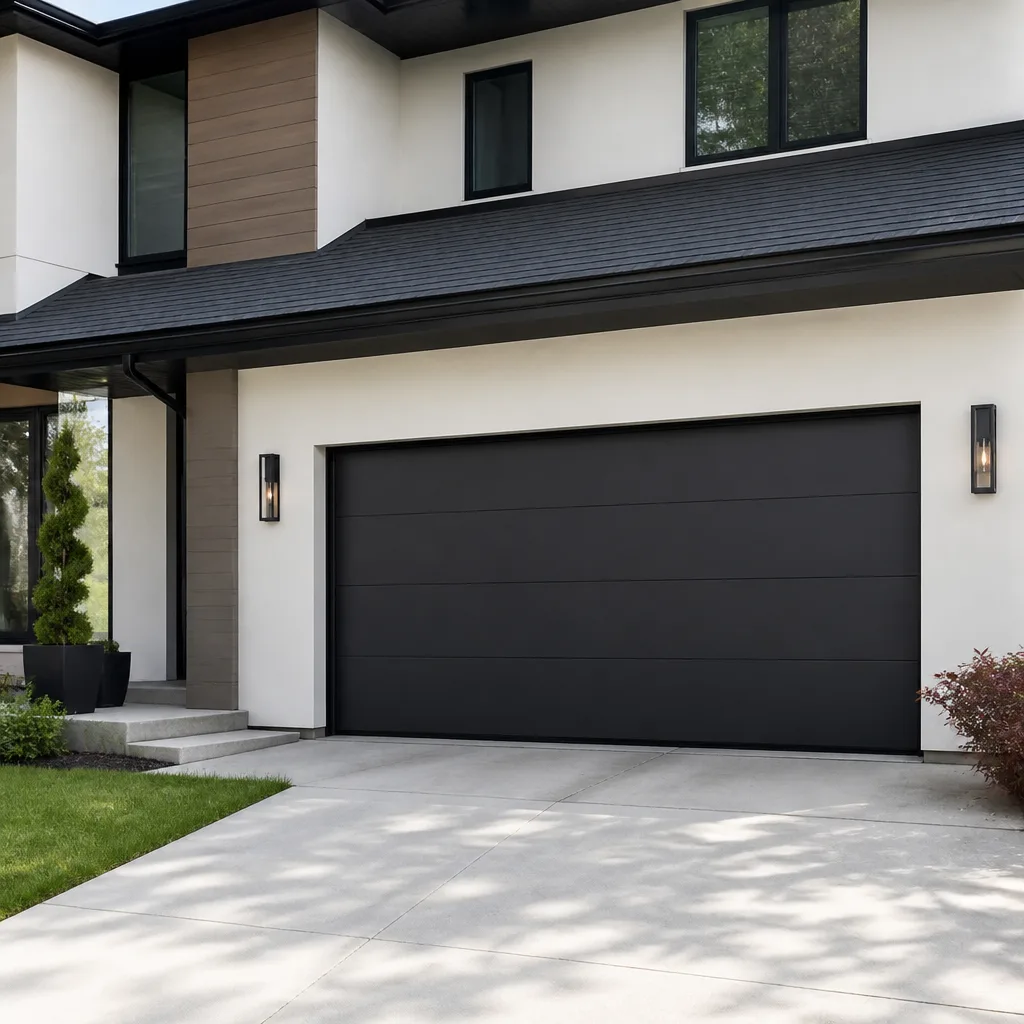 Modern flush
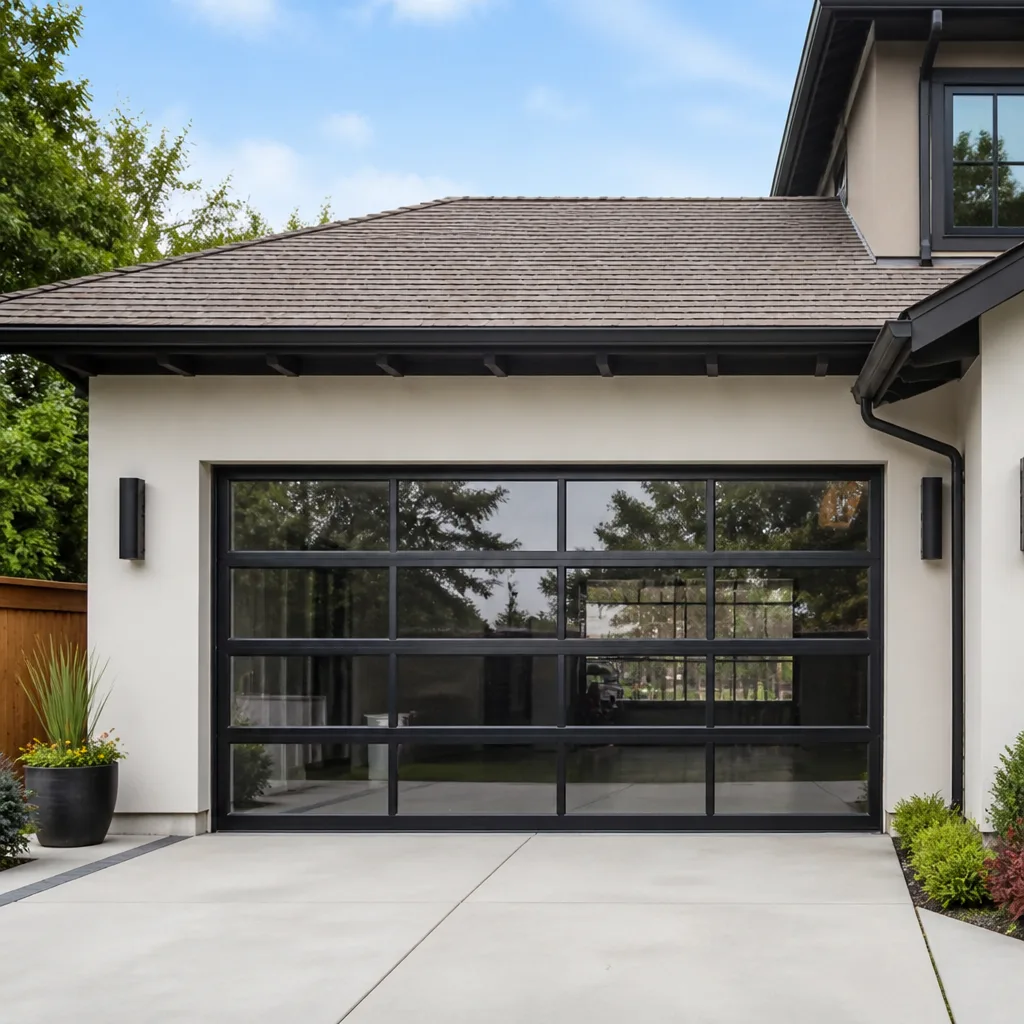 Full-view glass
 LiftMaster openers
 Chamberlain openers
Full 25-point door and opener safety check with every visit - springs, cables, rollers, tracks, and your LiftMaster or Chamberlain opener included
You get a price before we start. It does not change when the truck arrives.
Get your free estimateGarage Door Warning Signs: A Redlands Homeowner’s Reference Guide
Most garage door failures are not sudden. They are slow, mechanical conversations your door has been trying to have with you for weeks. A grinding noise is not the same as a scraping noise. A door that reverses mid-travel is telling you something different than a door that hesitates for three seconds before moving. The problem is that most homeowners in Redlands interpret every symptom the same way: the door made a noise, so something is wrong. That’s true, but it’s not useful. This guide maps specific symptoms to specific components, so you know what’s urgent, what can wait a few weeks, and what you should never try to fix yourself. If you own a garage door in Redlands, this is the reference you’ll come back to.
Quick Answer
A garage door warning sign is any change in sound, movement, or appearance that indicates a specific component is wearing out. The most common warning signs in Redlands homes are grinding (roller bearings), scraping (track misalignment), squealing (dry hinges or worn rollers), banging (loose hardware or spring issues), and slow opener response (logic board or capacitor problems). Most of these give you 30 to 90 days of lead time before a full failure, as long as you address them promptly once you identify them.
Styles & brands we work with
- Raised-panel steel
- Carriage house
- Modern flush
- Full-view glass
- LiftMaster openers
- Chamberlain openers
Table of Contents
- The Sound Diagnostic Index: Four Noises, Four Different Problems
- Visual Warning Signs Specific to Redlands Homes
- Opener Behavior Signals: What Your Motor Is Trying to Tell You
- Cables: How to Tell a Stretched Cable from One About to Snap
- Urgency Timeline: What’s Safe to Monitor vs. What Needs Same-Week Service
- Spring Warning Signs: What Redlands Heat Does to Torsion Springs
- The Redlands Seasonal Garage Door Checklist
The Sound Diagnostic Index: Four Noises, Four Different Problems
Noise is the most reliable early-warning system your garage door has. Every moving part makes a distinct sound when it starts to fail, and learning the difference saves you from misdiagnosing a $40 roller bearing problem as a $400 spring replacement. Here is what each noise actually means at the component level.
Grinding: A grinding noise, especially one that sounds like rocks being crushed, almost always points to metal-on-metal contact inside the roller bearings. Rollers are the small wheels that ride inside the vertical and horizontal tracks. When the internal bearings wear out, the roller stops rolling smoothly and starts dragging. The grinding you hear is that drag. Left unaddressed, a worn roller will eventually seize completely, which can force the door off its track. This is one of the easiest and least expensive fixes if caught early.
Scraping: Scraping is different from grinding. A scraping noise sounds like metal being dragged across metal, and it typically indicates a track alignment issue. Over time, tracks can shift slightly, especially in Redlands homes where the soil expands and contracts with irrigation cycles and seasonal moisture changes. When a track shifts, the door edge or the roller stem rubs against the track wall instead of riding cleanly. Scraping gets worse as the door moves and often comes with visible scratches or shiny wear marks on the track itself.
Squealing: A high-pitched squeal usually comes from one of two places: dry hinges or nylon rollers that have lost their bearing lubrication. Hinges need periodic lubrication, and in the dry Redlands climate, lubricant evaporates faster than in coastal areas. Squealing is annoying, but it’s also a sign that friction is increasing. If the squeal is coming from the hinges, it’s a maintenance issue. If it’s coming from the rollers, especially if it’s accompanied by wobble, it’s an early wear signal on a part that will eventually need replacement.
Banging or popping: A banging noise during operation often comes from loose hardware, but it can also be a sign of a spring issue. When torsion springs start to fatigue, they can produce a sharp popping sound as the coil binds and releases against itself. Loose hinges, bolts, and brackets will produce a rattling or banging noise as the door moves through its travel. The difference matters. You can retighten loose hardware yourself. You should never touch a torsion spring yourself. If you hear a pop from the spring area and the door suddenly feels heavier, that’s an emergency, and you need professional service from a garage door repair specialist in Redlands immediately.
How to Locate the Noise Source
- Stand inside the garage with the door closed and run the opener through a full cycle.
- Listen first from the center of the door, then move to the left side, then the right.
- Place your hand lightly on the door panel (not on any moving parts) to feel for vibration that correlates with the noise.
- If the noise happens only at certain points in the travel, note where: first third, middle, or last third of the cycle.
- Repeat with the door in manual mode (pull the red release cord and operate by hand) to isolate whether the noise comes from the door itself or the opener motor.
This process takes about five minutes and dramatically narrows down the possible causes. When you call a technician, being able to say “the grinding happens in the last third of the cycle, on the right side, and it stops when I run the door manually” is genuinely useful diagnostic information.
Visual Warning Signs Specific to Redlands Homes
Redlands has a specific climate profile: hot, dry summers, mild winters, and a significant irrigation culture that keeps lawns and landscaping green year-round. That combination creates visual warning signs on garage doors and components that you will rarely see in coastal or humid climates. Here are the ones we see regularly on garage door repair in Redlands calls.
Paint bubbling on panels: When you see paint bubbling or blistering on a metal garage door, especially on the south- and west-facing sides, that’s heat damage. Redlands regularly hits triple-digit temperatures in the summer, and a dark-colored door can absorb surface temperatures of 160°F or more. The paint bond breaks down over repeated heat cycles, and the panel underneath starts to corrode. This is a cosmetic issue at first, but once the metal is exposed, it will rust, and a rusted panel is a structural problem. Catching this early means a repaint. Catching it late means a panel replacement or a full door replacement.
White residue on tracks: Redlands irrigation water is hard. Sprinklers that overspray onto garage door tracks deposit minerals that build up as a white, chalky crust. This residue is abrasive. As rollers pass over it, they wear faster, and the residue can also cause the rollers to bind. If you see white buildup on your vertical tracks, clean it with a wire brush and check whether your sprinkler heads are adjusted to avoid the door area. This is a simple prevention step that extends the life of your rollers and tracks significantly.
Rust patterns on spring coils: Torsion springs rust from the inside out. By the time you see rust on the outside of a spring coil, the internal wire has already lost some of its integrity. In Redlands, the low humidity slows rust formation compared to coastal areas, which means a spring that shows visible rust in Redlands has likely been exposed to moisture directly, usually from a leak, condensation, or sprinkler overspray. If you see rust on one spring and not the other, that spring is compromised. Springs are under enormous tension, and a rusted spring can fail without warning. This is a same-week inspection item, not a monitor-it item.
Gaps in the weather seal: The rubber weather seal along the bottom of the door degrades faster in Redlands because of UV exposure and dry heat. When the seal cracks or pulls away from the door, you will notice daylight visible under the door, dust accumulating inside the garage, and higher garage temperatures. A failing seal is not an emergency, but it is a signal that the door is no longer sealing properly, which affects energy efficiency and lets dust from the dry Redlands air into your garage and your home.
Opener Behavior Signals: What Your Motor Is Trying to Tell You
Your opener is a small computer attached to a motor, and it communicates through behavior. When a Chamberlain or Genie opener starts acting differently, the specific behavior pattern points to a specific cause. Our garage door opener repair in Redlands work gives us a consistent view of the patterns homeowners report.
Slow response to the remote or wall button: If the door takes two or three seconds to respond after you press the button, the issue is almost always in the opener’s logic board or the remote’s signal path. On older Chamberlain and Genie units, capacitor degradation causes the logic board to process signals slowly. On newer units, interference from LED bulbs in the garage or nearby wireless devices can cause signal delay. The key distinction: if the delay happens with the wall button too, it’s a logic board or capacitor issue. If it only happens with the remote, it’s signal interference.
Reversing mid-travel with no obstruction: All modern openers have safety reversal systems tied to the photo eyes at the bottom of the door tracks. When a door reverses mid-travel with nothing visibly in the way, the most common causes are misaligned photo eyes, sunlight interference (a real issue in Redlands, where the low winter sun can hit the sensors directly), or a force-sensitivity setting that is too tight. The fix for sunlight interference is often as simple as swapping which side the sensors are on or adding a small sun shield. Force-sensitivity issues require an adjustment to the opener’s travel and force settings, which the owner’s manual will guide you through.
Motor running after the door stops: If you hear the motor still running for a second or two after the door reaches its fully open or fully closed position, that indicates the travel limits are set incorrectly. The opener doesn’t know the door has stopped, so it keeps running. This puts unnecessary strain on the motor, the chain or belt, and the door itself. It’s a settings issue, but one that should be corrected promptly, because prolonged overrun will burn out the motor or stretch the drive mechanism.
The door won’t stay closed and reopens immediately: This is usually a photo eye issue or a travel limit issue. If the door closes fully, touches the floor, and then immediately reverses, the close limit is set too far, which means the opener thinks the door has hit an obstacle. If the door reverses halfway down, the photo eyes are misaligned or blocked. On LiftMaster, Chamberlain, and Genie openers, these are both user-adjustable settings, but if you have adjusted them and the problem persists, the issue is likely in the logic board or the RPM sensor, and that is a professional repair.
Cables: How to Tell a Stretched Cable from One About to Snap
Cables are the most underappreciated component on a garage door. They do the actual lifting work, transferring spring tension to the door. When a cable fails, the door can drop suddenly, and the result is a heavy door slamming down with nothing controlling its descent. Knowing whether a cable is stretched or about to snap is the difference between scheduling a repair next week and needing an emergency repair today.
A stretched cable looks slightly loose at rest. When the door is closed, a stretched cable will have a small amount of slack. You might see a slight gap between the cable and the drum, or the cable might sit unevenly in the drum groove. The door will also hang slightly unevenly: one side will sit a quarter-inch to half-inch lower than the other when the door is in the closed position. A stretched cable still functions, but it is pulling unevenly, which puts extra strain on the other cable and the springs. This is a “schedule it within two weeks” issue.
A cable about to snap shows visible fraying. Look at the cable where it wraps around the drum at the top of the door. If you see individual wire strands separating from the main cable body, that cable is in its final stage. Even one broken strand means the cable has lost a significant percentage of its tensile strength. A cable with visible fraying is a same-day or next-day service call. Do not operate the door manually if you see fraying, because the door can drop unexpectedly and cause serious injury.
The Redlands factor: Cables in Redlands homes are exposed to more temperature variation than homeowners realize. Garage interiors can swing 40 degrees between day and night in the summer, and that expansion and contraction cycle contributes to metal fatigue in cables. If your garage door is original to a home built before 2005, the cables are likely near or past their service life. Our garage door repair Redlands service regularly replaces cables on doors in the 15- to 20-year age range, and the most common comment we hear is “I didn’t know cables wore out.” They do, and they give you warning if you know what to look for.
Urgency Timeline: What’s Safe to Monitor vs. What Needs Same-Week Service
Not every warning sign is an emergency. Some issues can be monitored for a few weeks while you plan and budget. Others need professional attention within days to avoid a full failure that strands your car in the garage or leaves your home unsecured. Here is a practical urgency framework.
Safe to Monitor for 2-4 Weeks
- Intermittent squealing from hinges: This is a lubrication issue in most cases. Apply a garage-door-specific lubricant to the hinges and see if the noise resolves.
- Slight paint bubbling on one panel: Cosmetic at first. Monitor whether the bubbles grow or spread.
- Slow remote response that only happens with the remote: Likely interference. Try replacing remote batteries and checking for LED interference.
- Minor weather seal cracking: Not structural. Plan to replace the seal when convenient.
- A stretched cable with no fraying and no visible strand separation: The door is functioning, but schedule a replacement within two to three weeks.
Needs Same-Week Professional Service
- Any fraying on any cable: This is a load-bearing component in its final stage. Same-day or next-day service.
- Rust visible on a torsion spring: The spring is compromised. Do not operate the door until a professional has inspected it.
- Grinding from any roller: A seized roller can force the door off track, which is a dangerous and expensive failure.
- The door reversing mid-travel with no obstruction, even after cleaning the photo eyes: This could be a force-sensitivity issue or a failing logic board, and the door is not reliably safe to operate.
- Any banging or popping sound from the spring area: This can indicate an imminent spring failure. Springs under tension can cause serious injury when they snap.
One rule of thumb: if the door’s behavior changes suddenly and you can feel the difference when you operate it manually, that is a professional-inspection situation. If the change is gradual and the door still operates normally, you have some time.
Spring Warning Signs: What Redlands Heat Does to Torsion Springs
Torsion springs are the most dangerous component on any garage door, and they are also the component most affected by Redlands’ specific climate. A torsion spring is rated for a certain number of cycles. A cycle is one full open and one full close. Standard springs are rated for about 10,000 cycles, which translates to roughly 7 to 10 years of normal use. But heat accelerates metal fatigue, and Redlands summers test every spring.
The heat issue is not about melting or deforming the spring. It is about the gradual breakdown of the steel’s internal structure through repeated thermal cycling. Every day in a Redlands summer, the spring heats to 100°F or more inside an enclosed garage, then cools to 60°F or 70°F overnight. That daily expansion and contraction creates micro-stresses in the steel. Over years, those micro-stresses accumulate, and the spring’s effective cycle life drops.
Signs your torsion spring is starting to fail:
- A visible gap in the spring coil: When a torsion spring starts to fatigue, the coils can separate slightly, creating a gap you can see when the door is closed. A healthy spring sits tightly coiled with no gaps.
- The door feels heavier when you operate it manually: This is the classic spring-fatigue sign. Disconnect the opener and lift the door by hand. If it feels significantly heavier than it did six months ago, the spring is losing tension.
- The door only opens partway and then stops: If the spring cannot provide enough lift, the opener will strain and often stop the door mid-travel as a safety measure.
- Rust on the spring coils as discussed earlier: In Redlands’ dry climate, rust means direct moisture exposure, and that spring should be replaced.
What this means for Clopay and Amarr doors specifically: Clopay and Amarr doors use torsion spring systems that are manufacturer-matched to the door’s weight and size. When a spring on one of these doors fails, installing a generic spring changes the door’s balance and can void the manufacturer’s warranty. A garage door installation specialist in Redlands who works with these brands will source the correct spring specification, not whatever is on the truck.
The Redlands Seasonal Garage Door Checklist
Redlands has two distinct seasons that matter for garage door maintenance: the dry heat of summer and the cooler, occasionally wet winter. Each season produces different stressors, and a seasonal checklist helps you catch warning signs before they become failures. See our Seasonal Garage Door Care for Redlands: Year-Round Homeowner’s Guide for specific timing.
Summer Checklist (June – September)
- Check all rollers for wear by disconnecting the opener and running the door manually through its full travel. Listen for grinding and look for wobble.
- Inspect torsion springs for rust and coil gaps. Summer heat accelerates fatigue in already-compromised springs.
- Check weather seals for UV cracking. Summer sun is intense in Redlands, and seals dry out faster June through September.
- Adjust sprinkler heads to avoid overspray on tracks, cables, and the bottom door panel. Evaporated irrigation water leaves mineral deposits.
- Lubricate hinges and rollers with a lithium-based garage door lubricant. Do this in the morning before the garage interior heats up.
Winter Checklist (November – February)
- Check photo eye alignment. The lower winter sun angle in Redlands can trigger false reversals by hitting the sensors directly.
- Inspect cables for fraying. Cables are under more stress when temperature swings are wider between day and night cycles.
- Clean the tracks with a dry brush to remove accumulated dust and any mineral deposits from winter irrigation cycles.
- Check weather seal fit. Winter winds in Redlands push dust under doors with compromised seals.
- Run the door through a full cycle and listen for any new noise compared to your last check.
Most Redlands homeowners who follow this twice-yearly pattern catch small issues in the “safe to monitor” category before they escalate. The goal is not to become a garage door mechanic. It is to notice changes early enough that a professional can address them with a small repair instead of a large one.
Common Mistakes to Avoid
- Treating all door noises as the same problem: Lubricating a door with a grinding roller does nothing except make the grinding quieter for a day. The grinding is metal-on-metal contact inside the roller bearing, and no lubricant fixes that. The roller needs replacement.
- Ignoring a door that reverses mid-travel because it “still works eventually”: A door that reverses is operating its safety system. The issue is that the safety system is being falsely triggered, which means the door may not be safe in real obstruction scenarios. This needs diagnostic attention.
- Oiling or tightening a torsion spring yourself: Torsion springs are under enough tension to cause serious injury or death. There is no DIY version of spring work. Every spring repair or replacement should be done by a trained professional with the correct tools.
- Replacing only one cable or one spring: Garage doors are balanced systems. When one cable fails, the other is almost certainly at the same wear level. Replacing both together maintains balance and prevents a second failure within weeks or months.
- Using WD-40 on garage door hinges or rollers: WD-40 is a solvent, not a lubricant. It strips whatever lubricant exists and leaves the metal dry. Use a lithium-based garage door lubricant or a silicone spray designed for garage doors.
- Waiting until the door stops working completely before calling: By that point, the repair is almost always more expensive than if the warning sign had been addressed when it first appeared. A $40 roller replacement becomes a $400 track repair when the roller seizes and the door pulls off the track.
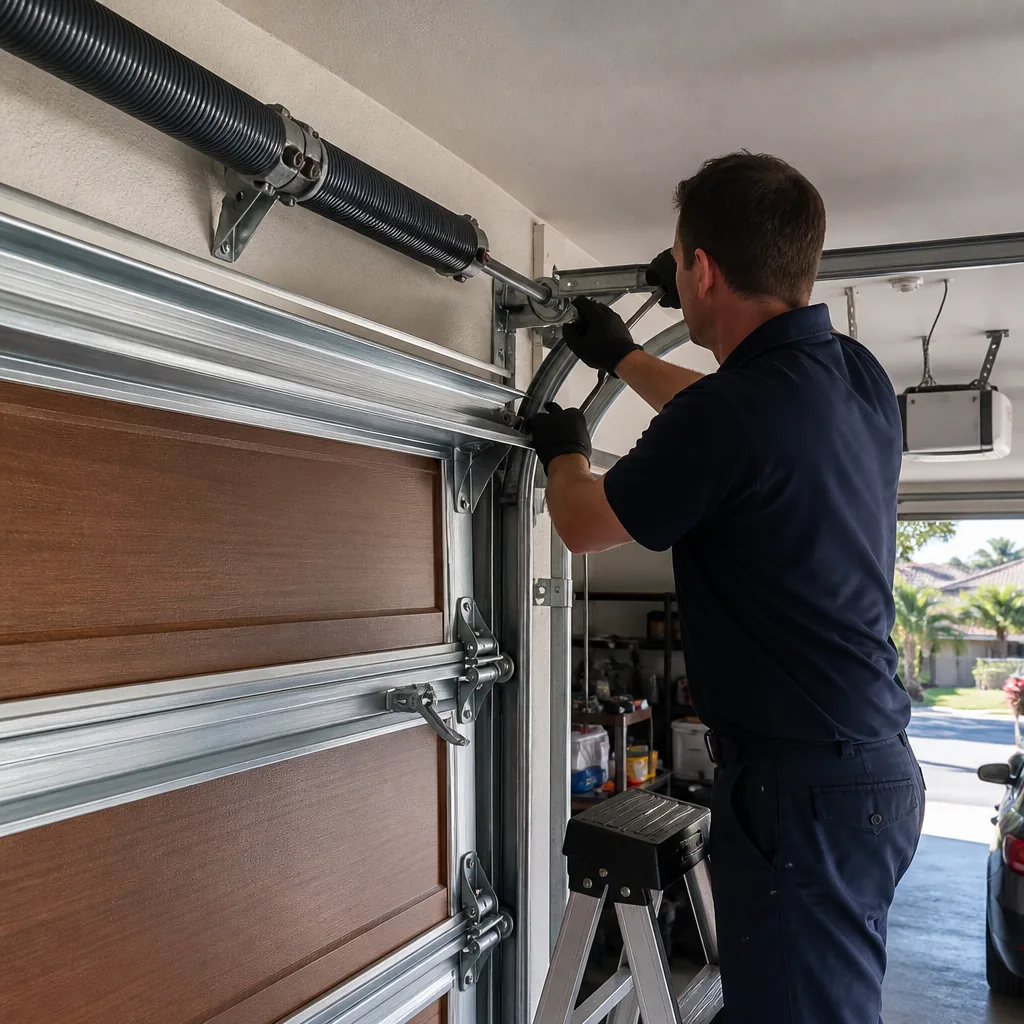
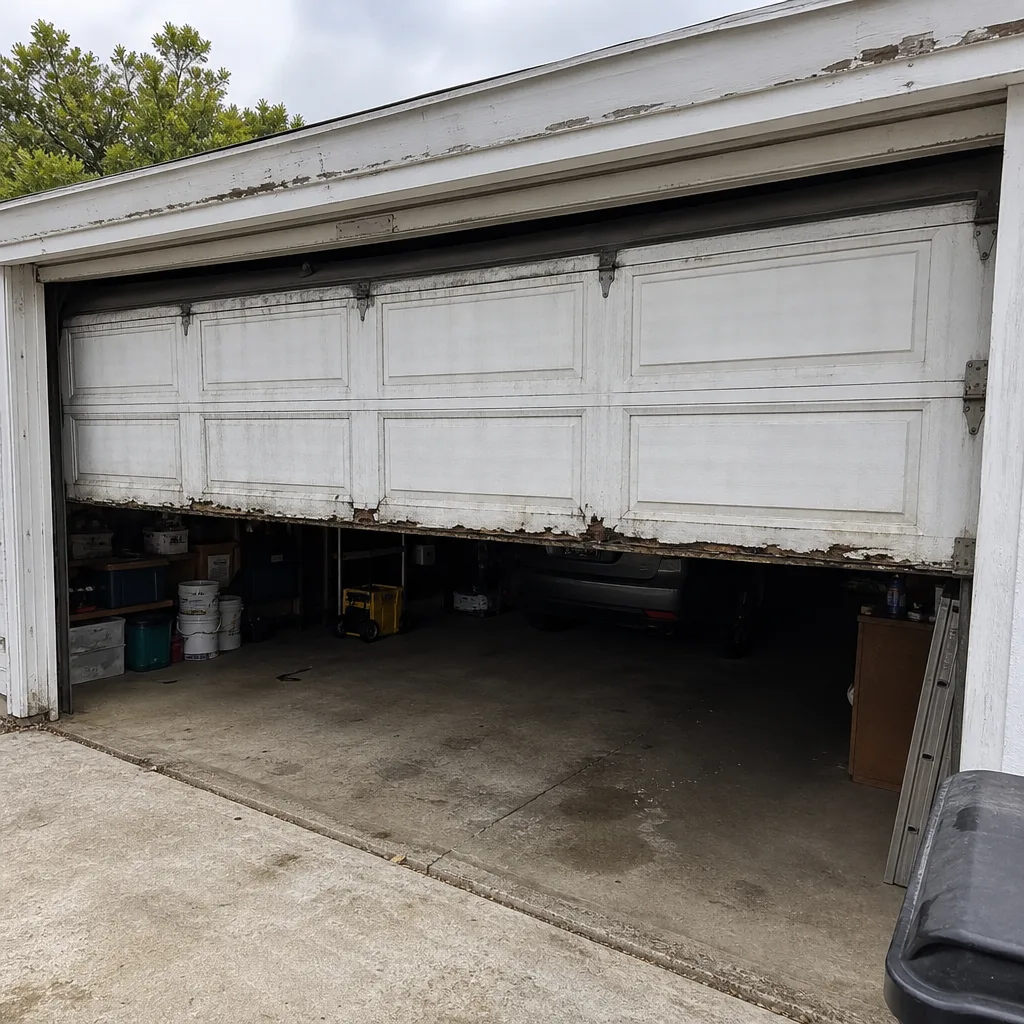
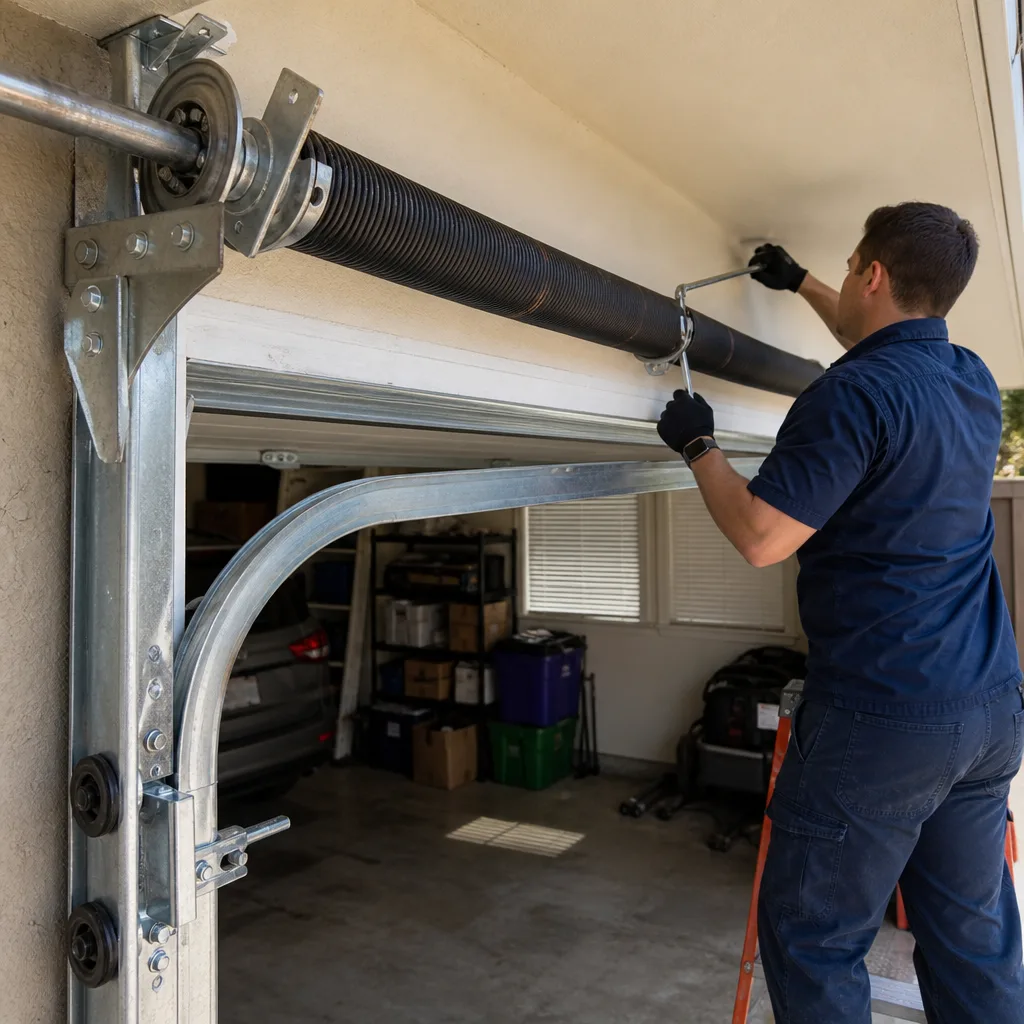
See the difference
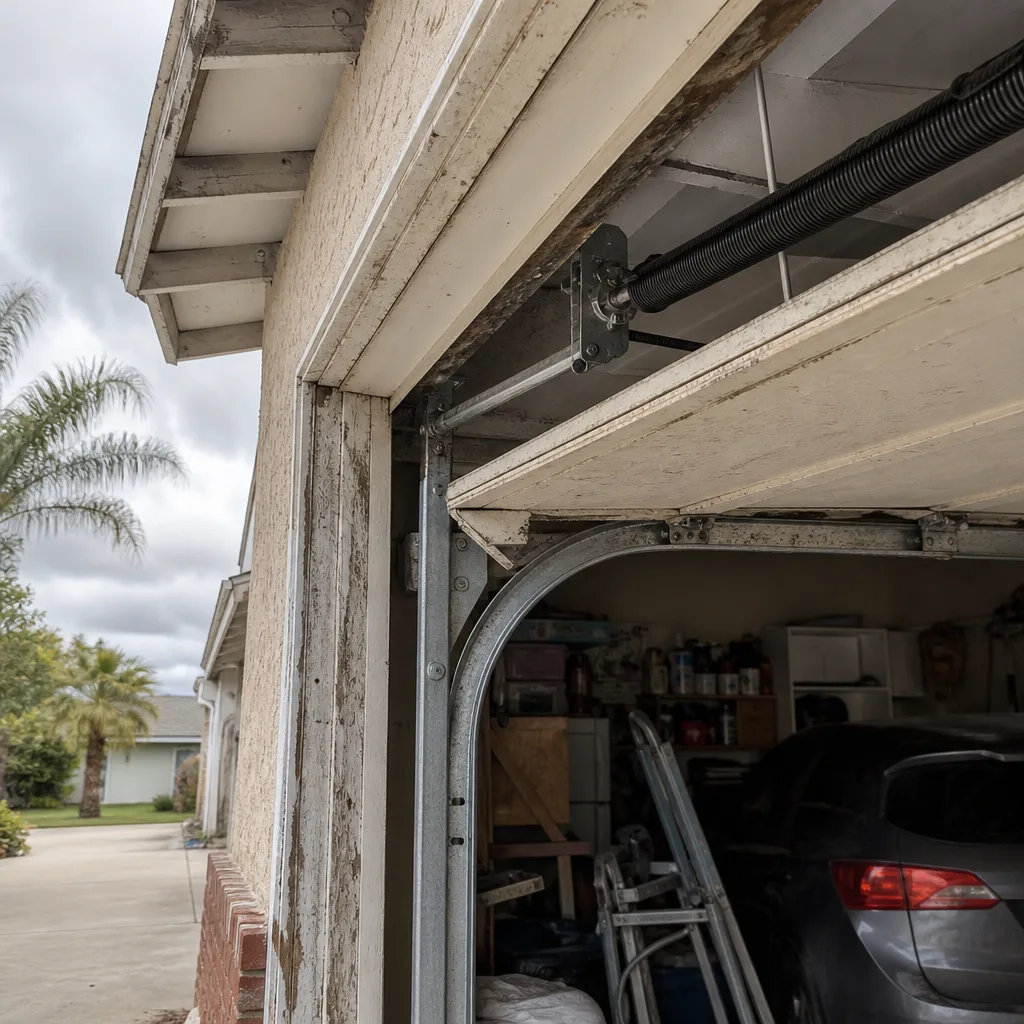 Before
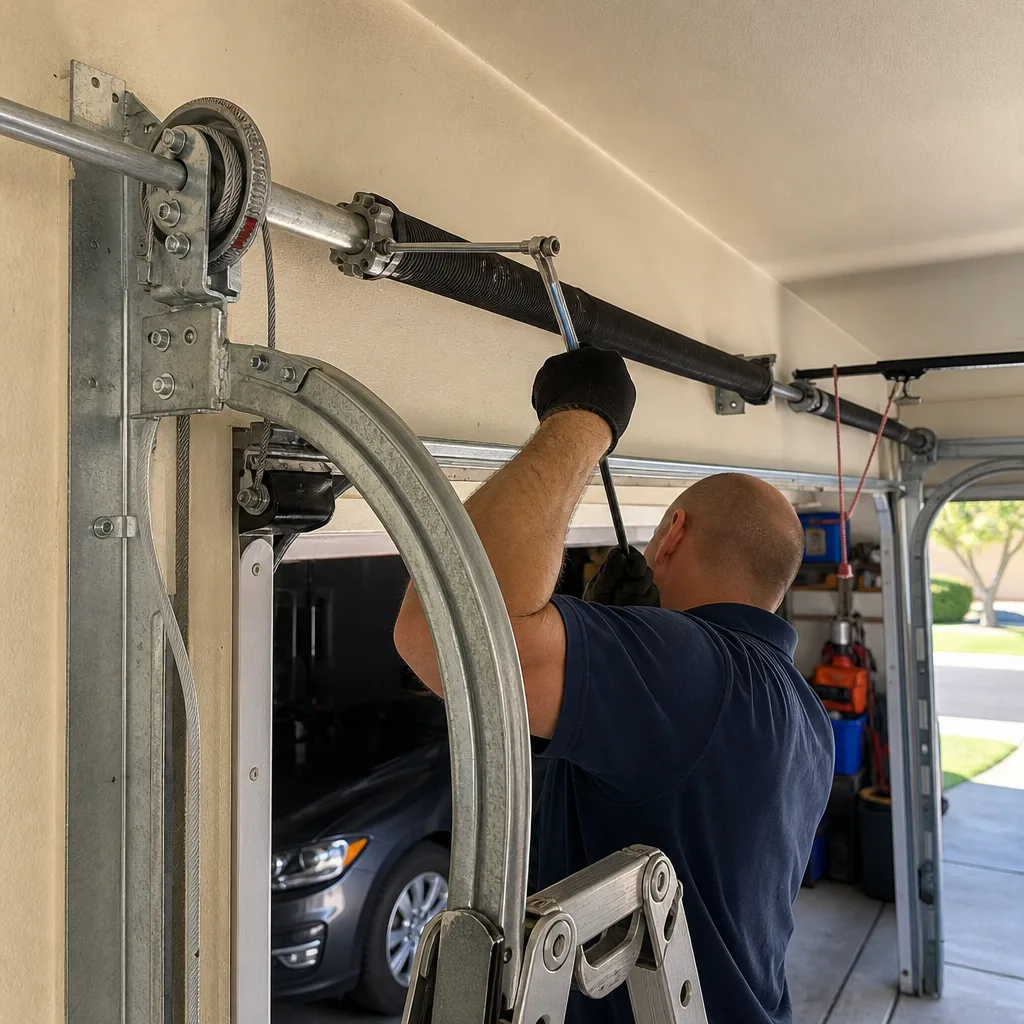
 After
 Before
 After
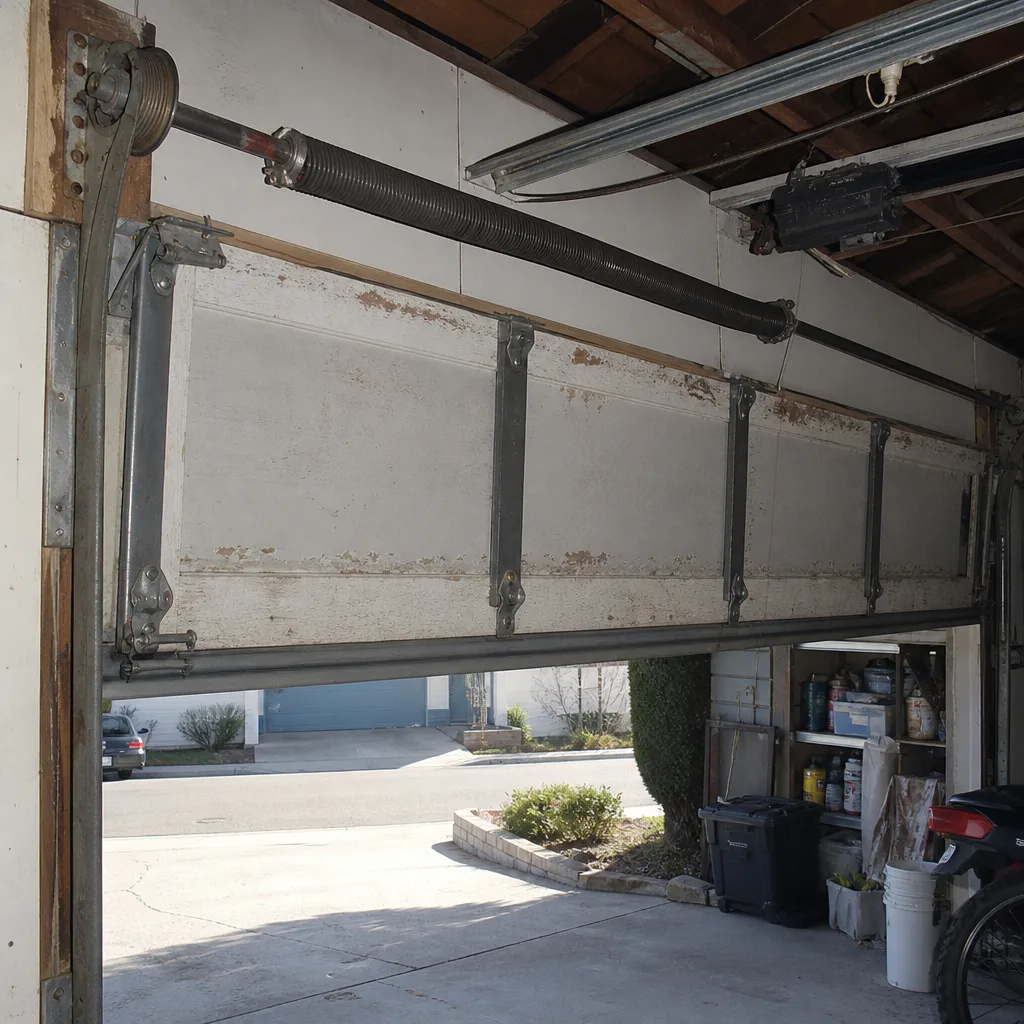 Before
 After
When to Call a Professional
Call a professional when the warning sign involves any load-bearing component (springs, cables, bottom brackets), when the door does not operate safely, or when you have identified a problem that is beyond your tools and experience to fix correctly. A scraping noise you cannot trace, a door that will not stay closed, or any visible wear on cables or springs all warrant a professional inspection. Do not experiment with these systems. The cost of a service call is always less than the cost of a damaged door, a damaged car, or an injury. Garage Door Repair Redlands offers free estimates on garage door work throughout Redlands. Call (833) 589-9897 and describe what you are seeing or hearing. We will tell you honestly whether it needs immediate attention or can wait.
Frequently Asked Questions
Garage door repair in Redlands typically ranges from $95 to $350 depending on the component. Roller replacement runs $95 to $180, cable replacement $180 to $280, spring replacement $250 to $350, and track realignment $150 to $250. These are for typical residential doors. The exact quote depends on your door’s brand, weight, and the specific parts required. The price is always quoted and agreed before any work starts, so there are no surprises. Call (833) 589-9897 for an exact quote on your specific door.
A garage door spring about to break will show one or more of these signs: a visible gap between the coils, rust on the coil surface, a door that feels heavier when operated manually, or a door that stops opening partway. If you notice any of these, stop using the door and call a professional. Spring failure is dangerous and can cause serious injury when a spring snaps under tension.
Some garage door problems can wait two to four weeks, such as squealing hinges, minor weather seal cracks, intermittent remote interference, and a stretched cable with no visible fraying. Problems that need same-week service include any cable fraying, rust on torsion springs, grinding rollers, and unexplained mid-travel reversals. When in doubt, call and describe the symptom to a professional before deciding to wait.
Yes, we service Chamberlain and Genie openers along with LiftMaster and Craftsman systems. Brand-specific diagnostics matter because Chamberlain and Genie use different logic board designs and different travel-limit adjustment methods. A technician who works across these brands can identify the exact issue faster than a generalist who has to consult a manual for every step.
No. The price is quoted and agreed before any work starts. If the inspection reveals an additional issue beyond what was quoted, we will show you the issue, explain what it means, and get your approval before doing anything. You will never be surprised by an invoice that is larger than the quote you agreed to.
We carry the most common rollers, cables, weather seals, springs, and opener parts for Clopay and Amarr doors on our trucks. For less common panel or hinge configurations, we source the correct manufacturer-specified part from our suppliers, which typically takes one to two business days. We do not substitute generic parts on doors that require manufacturer-specific components.
The Bottom Line
Your garage door warns you. It warns you with sounds, with visual changes, and with behavioral shifts in the opener. A grinding noise is not the same as a scraping noise. A stretched cable is not the same as a fraying cable. A squeak you can monitor is not the same as a pop you must address. Once you learn to read these signals, you gain back the most valuable thing a homeowner can have: time to plan instead of reacting to an emergency. Most failures give you 30 to 90 days. Use them. And when a signal falls outside your comfort level, call a specialist who works on the specific brands and components in your garage. For ongoing maintenance tips, explore more guides & resources. Eight brands. One call.
Written by the team at Garage Door Repair Redlands, serving Redlands since 2018.