
Last updated November 2, 2026
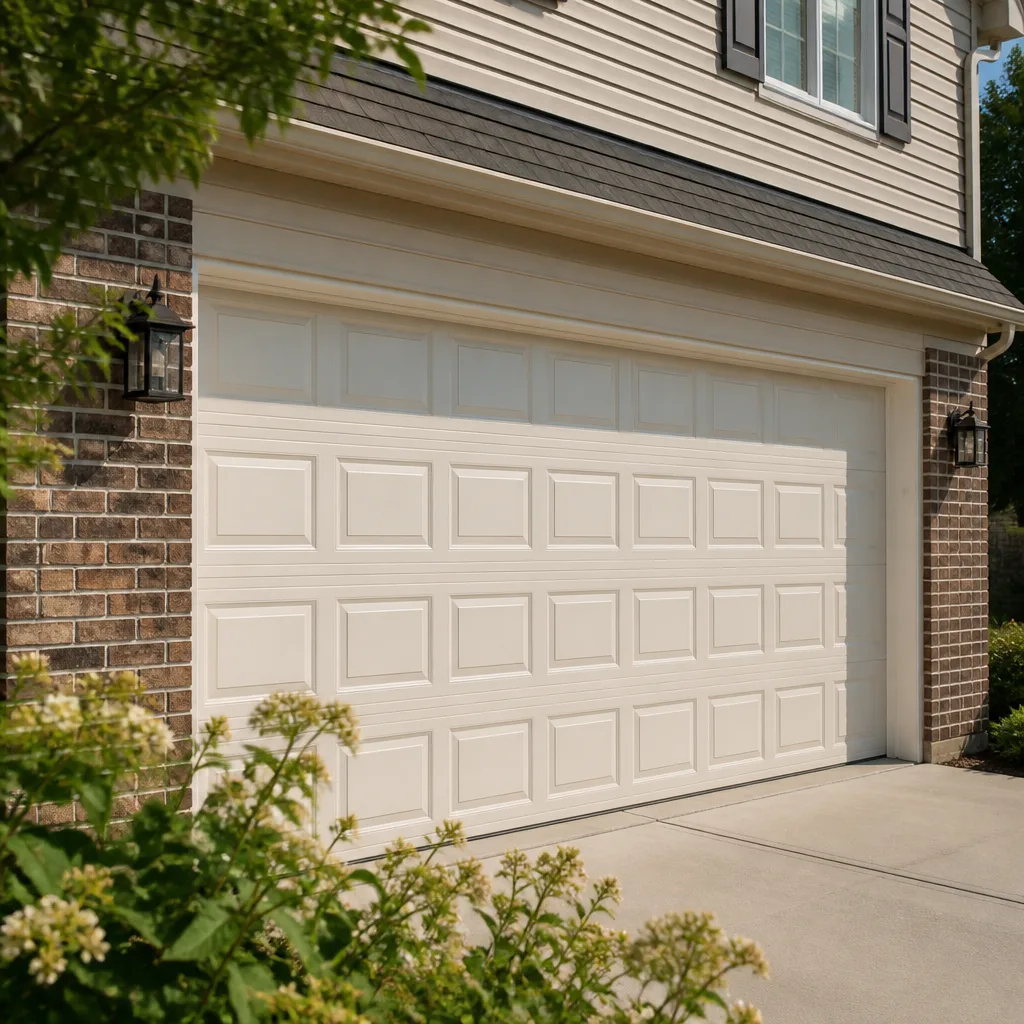 Raised-panel steel
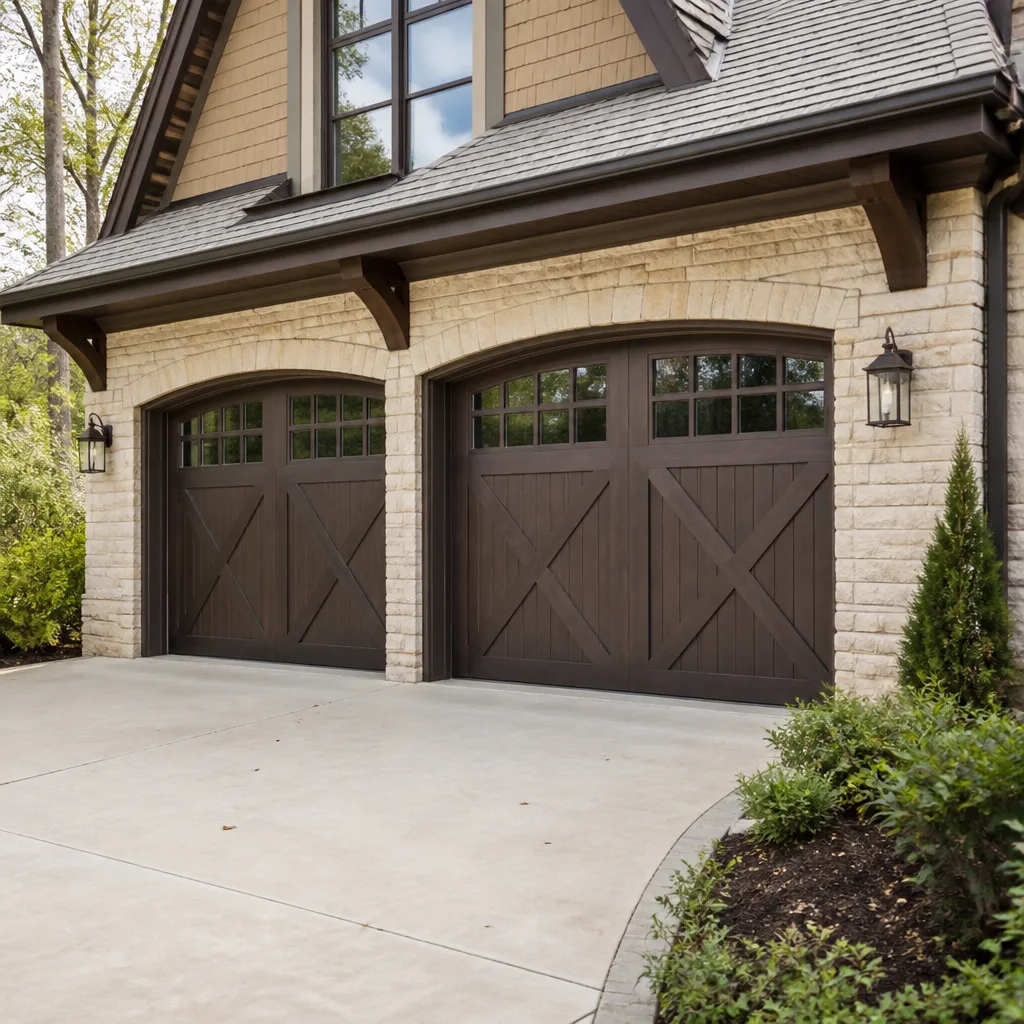 Carriage house
 Modern flush
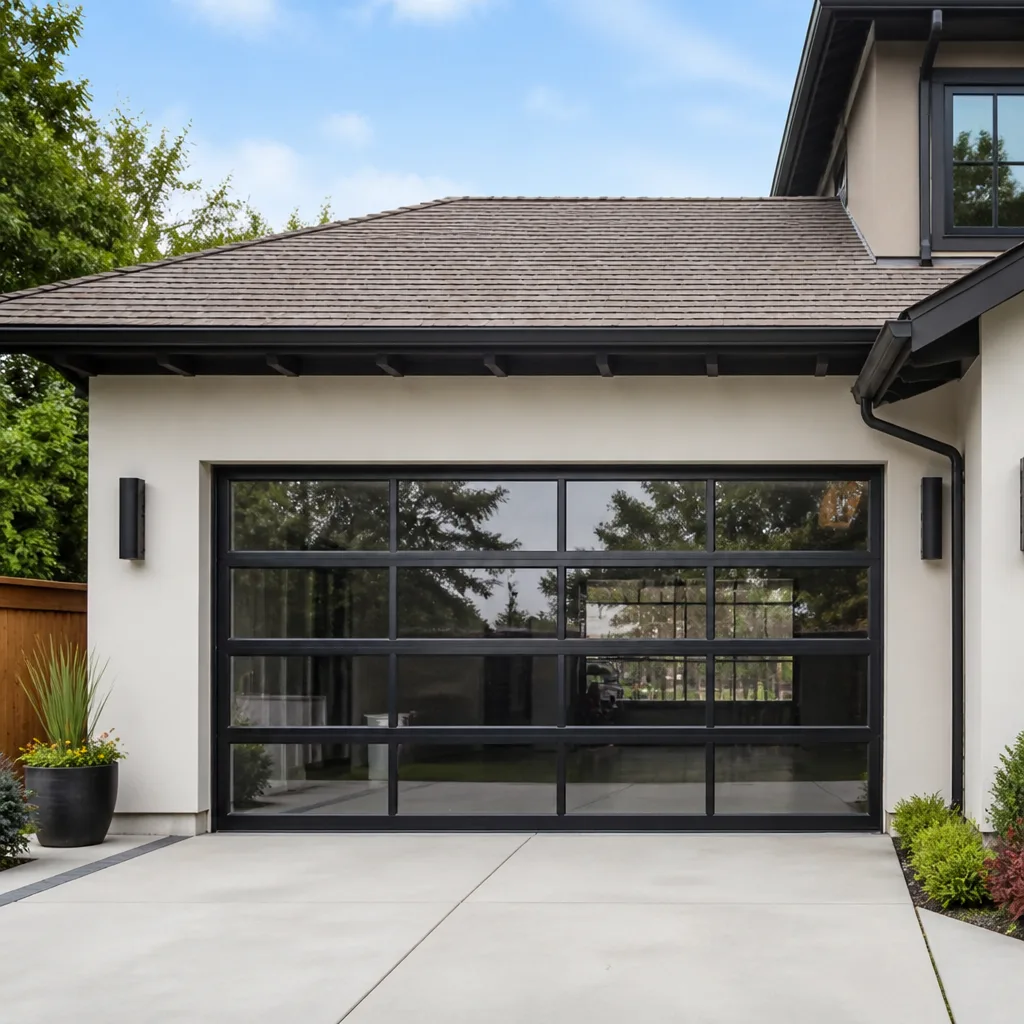 Full-view glass
 LiftMaster openers
 Chamberlain openers
Full 25-point door and opener safety check with every visit - springs, cables, rollers, tracks, and your LiftMaster or Chamberlain opener included
You get a price before we start. It does not change when the truck arrives.
Get your free estimateGarage Door Emergency Preparedness Guide for Redlands Homes
Most Redlands homeowners test their smoke detectors twice a year but have never once pulled the red emergency release cord on their garage door opener. That cord is the only mechanical override between you and a two-hundred-pound door when the power fails or the opener burns out. And in Redlands, where earthquake faults run through the San Bernardino Valley and wildfire-driven power shutoffs have become a recurring summer reality, that untested cord is a liability most people don’t discover until the wrong moment. This guide walks through exactly what to check, what to test, and what to fix before an emergency, not during one, and you can find more guides & resources on our blog.
Styles & brands we work with
- Raised-panel steel
- Carriage house
- Modern flush
- Full-view glass
- LiftMaster openers
- Chamberlain openers
Quick Answer
Garage door emergency preparedness in Redlands means three things: knowing how to disengage your opener and operate the door manually, confirming whether your opener has working battery backup, and testing both mechanisms before wildfire season and earthquake risk periods arrive. A functioning manual release and a charged backup battery are the difference between evacuating in five minutes and being trapped in or locked out of your own garage.
Table of Contents
- Why Redlands Homes Need a Garage Door Emergency Plan
- The Manual Release: Your Door’s Most Important Safety Feature
- How to Manually Open Your Garage Door: Five Opener Models
- Battery Backup: What to Check and What to Do If You Don’t Have One
- When a Door Comes Off Its Tracks During a Seismic Event
- Locking Your Garage Door Manually During an Evacuation
- The Twice-a-Year Emergency Preparedness Checklist
- Common Mistakes to Avoid
- When to Call a Professional
- Frequently Asked Questions
- The Bottom Line
Why Redlands Homes Need a Garage Door Emergency Plan
Redlands sits between two active fault systems, the San Andreas to the north and the San Jacinto to the south. A significant quake on either one shifts the ground enough to knock garage door tracks out of alignment, pop rollers loose, or jam the door in its guides. The garage door is also the largest moving object in your home, and when it binds, it binds hard. Add to that the power shutoffs that Southern California Edison has implemented across the Inland Empire during high-wind and extreme-heat events, and the picture is clear: the electrical system that opens your garage door is not guaranteed to work when you need it most.
During the 2020 California wildfire evacuations, a documented failure point for residents in affected zones was garage doors that couldn’t be manually released. Homeowners reported standing in their garages pulling on handles that wouldn’t budge, having never tested the emergency cord in years of living there. Some had painted over the release mechanism. Others had openers installed without a backup battery and no idea how to operate the door by hand. In Redlands, where evacuation routes run east toward the desert or west toward the 10, a stuck garage door can mean the difference between leaving with your car or leaving on foot.
The good news is that every residential garage door opener installed in the last fifty years has a manual release. It works by disengaging a trolley mechanism from the drive chain or belt, allowing you to lift the door by hand. The catch: it only works if you know where it is, how to operate it, and whether the door itself is mechanically sound enough to be lifted. That’s the part most preparedness guides skip.
The Manual Release: Your Door’s Most Important Safety Feature
Every garage door opener, regardless of brand, has a release mechanism designed to disconnect the door from the motorized drive. In normal operation, the opener’s trolley (the metal carriage on the rail above the door) is locked to the chain or belt. When you pull the emergency release cord, usually a red handle hanging from the rail near the motor, the trolley disengages and the door moves freely by hand.
This is not a convenience feature. It exists so that a door can be opened and closed when the opener has no power, has failed, or has locked up mid-cycle. Without it, a power outage turns your garage into a room you can only leave through the interior door.
What most Redlands homeowners don’t realize is that the release cord can become stiff, stuck, or disconnected from the trolley mechanism over time. Dust, humidity, and the vibration of the opener cycling thousands of times a year can cause the release assembly to bind. In our work on doors across Redlands, we’ve found release cords that required two hands and full body weight to pull, trolleys that wouldn’t re-engage after being released, and at least a few openers where the cord had been removed entirely during an old repair.
Test the release cord twice a year. Pull it once, fully, with the door closed. It should release smoothly and the trolley should separate from the drive. Then manually lift the door about three feet and lower it back down. Re-engage the trolley by pulling the cord toward the door and running the opener one full cycle. If any part of that test is difficult, call a specialist before the next wildfire season or the next big quake. For a broader look at what to expect from a full inspection, our Garage Door Repair in Redlands page covers the full scope.
How to Manually Open Your Garage Door: Five Opener Models
The manual release procedure is the same in principle across all openers, but the details matter. Here’s the step-by-step sequence for the five opener models most commonly found in Redlands garages, with the specific differences called out.
- LiftMaster (belt and chain drive models installed after 1990): Locate the red handle hanging from the rail. Pull straight down until you hear a click. The trolley releases. Lift the door using the handle or the bottom edge. To re-engage, pull the release cord toward the door until the trolley clicks back into the carriage.
- Chamberlain (virtually identical to LiftMaster, same manufacturer): Same procedure. The release handle on Chamberlain models is typically red and located within 18 inches of the motor head. Pull down firmly. If the handle doesn’t move, don’t yank it, check for paint or debris binding the cord where it enters the rail.
- Genie (screw drive and belt drive models): The release mechanism on Genie openers works as a pull-down lever on the carriage. You’re looking for a red rope handle near the front of the rail, closer to the door than on Chamberlain/LiftMaster units. Pull down and back toward the motor. Genie screw drive carriages can be heavier, so when you lift the door manually, expect more resistance than on belt drive units.
- Craftsman (chain drive units from the 1990s and 2000s): These are built on the same chassis as older Chamberlain designs. The red handle hangs mid-rail. Pull straight down. One common issue with Craftsman openers of this era is a release cord that has frayed or snapped at the attachment point, leaving a short stub. If your Cord is shorter than six inches, it needs replacement.
- Raynor (using LiftMaster or Chamberlain logic boards in most residential models): Follow the LiftMaster procedure. Raynor installs in Redlands are often paired with heavy wood or carriage-style doors, so when you lift manually, be ready for significant weight. A door that takes more than 40 pounds of arm force to lift is out of balance and safest left to a professional.
The most common failure in this test: the cord releases but the door won’t lift. That means the springs are doing less work than they should, and the door’s full weight is on you. Torsion springs wear out, and if they’re broken or tired, the door will feel impossibly heavy. That’s a repair call, not a DIY fix. We handle spring failures across every brand, including Garage Door Repair Redlands service calls in the city and surrounding areas.
Battery Backup: What to Check and What to Do If You Don’t Have One
Since July 2019, Garage Door Permits, Codes & Inspections in CA: What You Need to Know explains that California law requires garage door openers installed in residential properties be equipped with a battery backup function. If your opener was installed before that date, there’s a good chance it has no backup at all. And even if it does, the battery itself may be dead.
This matters in Redlands because the most likely emergency that hits your garage door is a power outage. Not an earthquake. A power shutoff on a 110-degree day. Without battery backup, your opener is a dead appliance the second Edison cuts the line.
How to check for battery backup
- LiftMaster openers with integrated backup have a beige or black battery housing mounted on the motor head. Look for a visible battery icon on the wall control panel and a diagnostic LED that should show green.
- Chamberlain models built after 2019 have a battery status light on the motor head itself. When the opener is running on battery power, it operates more slowly, and the light pulses instead of steady.
- Older LiftMaster and Chamberlain models may support a retrofit backup unit. The LiftMaster 475LM and Chamberlain 4228 (Generation 1 and 2) are retrofit batteries that attach to the side of compatible motor heads built after about 2005. Check the opener’s spec sheet or bring the model number to a Garage Door Opener Repair in Redlands call and we can confirm compatibility.
- Genie and Craftsman openers typically do not have retrofit options. If your Genie or Craftsman lacks backup, plan on manual operation during any outage, or budget for an opener replacement.
To test a battery backup: unplug the opener from its ceiling outlet and run the door using the wall button or remote. A working backup should cycle the door at least twice. If the door won’t move or moves erratically, the battery is failing. Replace it immediately. Batteries in garage door openers have a service life of roughly three to five years, and heat shortens that. A Redlands garage in August regularly hits 110 degrees, which cooks batteries faster than the manufacturer’s rating suggests.
When a Door Comes Off Its Tracks During a Seismic Event
A garage door doesn’t need to be thrown off its tracks in an earthquake to become a hazard. Shifting foundation movement can twist the vertical track, bind the door mid-travel, or snap a roller clean off. What you do in the first few minutes after a quake determines whether the door is usable at all.
First, assess before you operate. Look at the vertical tracks on either side of the door. If there’s a visible gap between the door’s rollers and the track, or if the track is bent or pulled away from the framing, do not attempt to open the door manually. A door off its tracks is under heavy spring tension and can drop suddenly. The same goes for any door that’s visibly tilted in its opening.
If the door is visibly square and seated in its tracks, you can test the manual release carefully. Release the trolley, then try to lift the door no more than six inches. If it moves smoothly, continue lifting slowly. If it binds, scrapes, or hangs, lower it and leave it closed.
In Redlands, seismic events are generally moderate, but repeated small quakes accumulate damage. Rollers wear, track brackets loosen, and bearings develop play even without a major rupture. Homes in hillside neighborhoods like South Redlands and Sunset Drive are particularly exposed to differential settling, which shows up first as a garage door that used to work and now drags or squeals. If you notice that, don’t wait for an emergency. For a full safety assessment, our Garage Door Installation in Redlands page covers what an evaluation and replacement involves, and the same technicians inspect and repair existing doors.
Locking Your Garage Door Manually During an Evacuation
When you’re leaving your Redlands home during a power outage or evacuation, a garage door that’s been manually released is also a garage door that isn’t locked. The emergency release disengages the opener’s locking mechanism entirely. Anyone can walk up to your garage, lift the door, and be inside in ten seconds.
The position of the emergency cord matters here. When the trolley is disengaged and the door is closed, the release cord hangs slack. That’s an invitation. To lock the door manually, you have two options depending on your hardware:
- Slide lock: Many doors built in the last twenty years have a slide bolt on the interior of the door, usually on one of the vertical tracks or on the bottom section. Push the bolt into the track slot. This physically blocks the door from lifting. Keep the bolt engaged while you’re away. When you return and power is restored, disengage the slide lock before running the opener (see Mistake #3).
- Vise grip or C-clamp: If your door has no slide lock, clamp a pair of locking pliers onto the track directly above one of the rollers with the door closed. This creates a temporary mechanical stop. Crude but effective. It also works for track types that don’t have a slide lock slot.
Never rely on the opener’s motor to hold the door closed during an outage. The motor’s internal brake only works when the trolley is engaged, and the trolley disengages when you pull the release cord. A closed door that’s been manually released and not slide-locked is just a heavy curtain.
If you’re in a neighborhood that’s been evacuated, like the areas near Crafton Hills or along San Timoteo Canyon that see high fire risk in dry years, the last thing you want is to leave a house that’s also an easy entry.
The Twice-a-Year Emergency Preparedness Checklist
Run this checklist every spring and every fall. It takes fifteen minutes. Set a calendar reminder for the first weekend of April and the first weekend of October, roughly corresponding to the start of fire season and the beginning of winter storm risk.
- Pull the emergency release cord fully. It should release with one smooth motion. If it sticks, note it.
- Lift the door manually to waist height and lower it. The door should feel balanced, roughly as heavy to open as to close. If it feels significantly heavier than normal or takes real muscle to lift, the springs are wearing.
- Re-engage the trolley. Pull the release cord toward the door until the trolley clicks, then run the opener one full cycle and confirm it reconnects without grinding.
- Test the battery backup (if equipped). Unplug the opener from the ceiling and run the door twice using the wall button. If it won’t complete two cycles, replace the battery.
- Test the manual slide lock if your door has one. Engage and disengage it several times. Make sure it isn’t corroded or seized.
- Verify your keypad code. Enter the code and confirm the door opens. Check that the keypad’s battery isn’t dead, especially after a hot summer. A dead keypad battery in August means no way to open the door from outside when the power’s out and the garage interior door is locked.
- Check the photo-eye sensors at the base of the track. Wipe the lenses with a dry cloth. Here in Redlands, fine dust from the Santa Ana winds coats sensor lenses and causes intermittent failures that look like random opener problems.
- Note any new noises. Grinding, squealing, popping, or thumping that wasn’t there at the last check is always an early sign of a mechanical problem. Address it before it becomes an emergency.
Common Mistakes to Avoid
- Testing the release cord for the first time during an emergency. This is the big one. The release mechanism can seize, the cord can be missing, or the door can be too heavy to lift by hand. None of these are things you want to discover while the power is out and smoke is visible on the ridgeline.
- Assuming your opener has battery backup. Pre-2019 installations in Redlands rarely do. Check before you need it, not when the lights have already gone out.
- Running the opener while the slide lock is engaged. This is the single most common post-outage damage scenario we see in Redlands. The opener strains against a locked track, bends the rail, strips the gears, or breaks the door section. If you locked the door manually before evacuating, disengage the lock before restoring power and using the opener.
- Yanking on a stuck release cord. A release cord that won’t pull is almost always a problem at the trolley, often because the opener has been cycled under load or the rail is out of alignment. Pulling harder does not help. It usually makes the repair more expensive.
- Ignoring a door that’s getting heavier. Torsion springs lose tension gradually. Homeowners in Redlands often don’t notice until an outage forces them to lift the door manually and suddenly it feels like lifting a car hood. Test the balance twice a year and you’ll catch spring wear before it becomes a failure.
- Re-engaging the trolley by running the opener back and forth until it “catches.” The correct method is to pull the release cord toward the door until you hear the click of the trolley seating into the carriage. Running the opener while the trolley is disengaged can damage the carriage and the drive gear.
- Leaving the manual release cord wrapped around the rail or shortened with a zip tie. Some handymen shorten the cord to keep it out of the way, which prevents it from being pulled in an emergency. The cord should hang freely at a height a standing adult can reach, and it should never be wrapped, tied, or taped up.
When to Call a Professional
A good emergency plan includes knowing when to stop testing and start dialing. If the door won’t lift manually despite the release working, the springs need attention. If the release cord pulls but the trolley won’t re-engage, the carriage or rail has a problem. If the opener was installed before 2019 and you want battery backup, you may need a retrofit or a replacement. And if a quake has left the door off its tracks or the rollers out of their guides, do not attempt to repair it yourself. Torsion springs hold hundreds of pounds of stored force, and the wrong move can be fatal.
Garage Door Repair Redlands home service area covers Redlands and the surrounding communities, and we work across LiftMaster, Chamberlain, Genie, Craftsman, Clopay, Amarr, Wayne Dalton, and Raynor systems. Estimates are free, and we’ll confirm the cost before any work starts. Call (833) 589-9897 to schedule an inspection or ask about a specific issue.
Frequently Asked Questions
Pull the red emergency release cord hanging from the opener rail straight down until the trolley disengages, then lift the door by hand using its handle or bottom edge. If the door won’t lift or feels too heavy, the springs are likely worn, and you should call (833) 589-9897 for a same-week inspection rather than forcing it.
Openers installed in Redlands before July 2019 typically do not have battery backup unless it was added separately. Look for a battery icon on the wall control, a battery housing on the motor head, or unplug the opener and try running the door. If it won’t move, you have no functioning backup.
Do not attempt to open the door manually if it’s visibly off its tracks, tilted, or the rollers are out of the guides. The door is under spring tension and can drop. Leave it closed, lock it with a slide bolt if possible, and call a garage door specialist for a safety assessment. Call (833) 589-9897 for help in Redlands.
Yes. Engage the slide lock on the inside of the door if your door has one, or clamp locking pliers onto the track above a roller if it doesn’t. Remember to disengage the lock before running the opener again, or you’ll damage the door or the drive system.
Older LiftMaster and Chamberlain motor heads built after roughly 2005 can often accept the LiftMaster 475LM or Chamberlain 4228 retrofit battery units. Genie and Craftsman openers generally do not support retrofits. If you’re unsure whether your opener is compatible, call (833) 589-9897 with your model number and we can confirm.
Twice a year. Pull the release cord, lift the door manually, re-engage the trolley, and run the opener through one full cycle. Also check any battery backup, the manual slide lock, and the keypad code during the same test. In Redlands, spring and fall are the right times to do this, ahead of fire season and winter storm season.
The Bottom Line
A garage door that can’t be operated manually in a Redlands emergency is more than an inconvenience. It’s a barrier between you and your car, between you and the road, between you and the people who need you. Test the release cord. Check the battery backup. Verify the manual lock. Learn the differences between your LiftMaster, Raynor, Craftsman, or Chamberlain. Fifteen minutes, twice a year, is all it takes to know your door will open when the power won’t. And if anything fails the test, call a specialist before the emergency does the testing for you. Garage Door Repair Redlands offers free estimates at (833) 589-9897.
Written by the team at Garage Door Repair Redlands, serving Redlands since 2018.
See the difference
 Before
 After
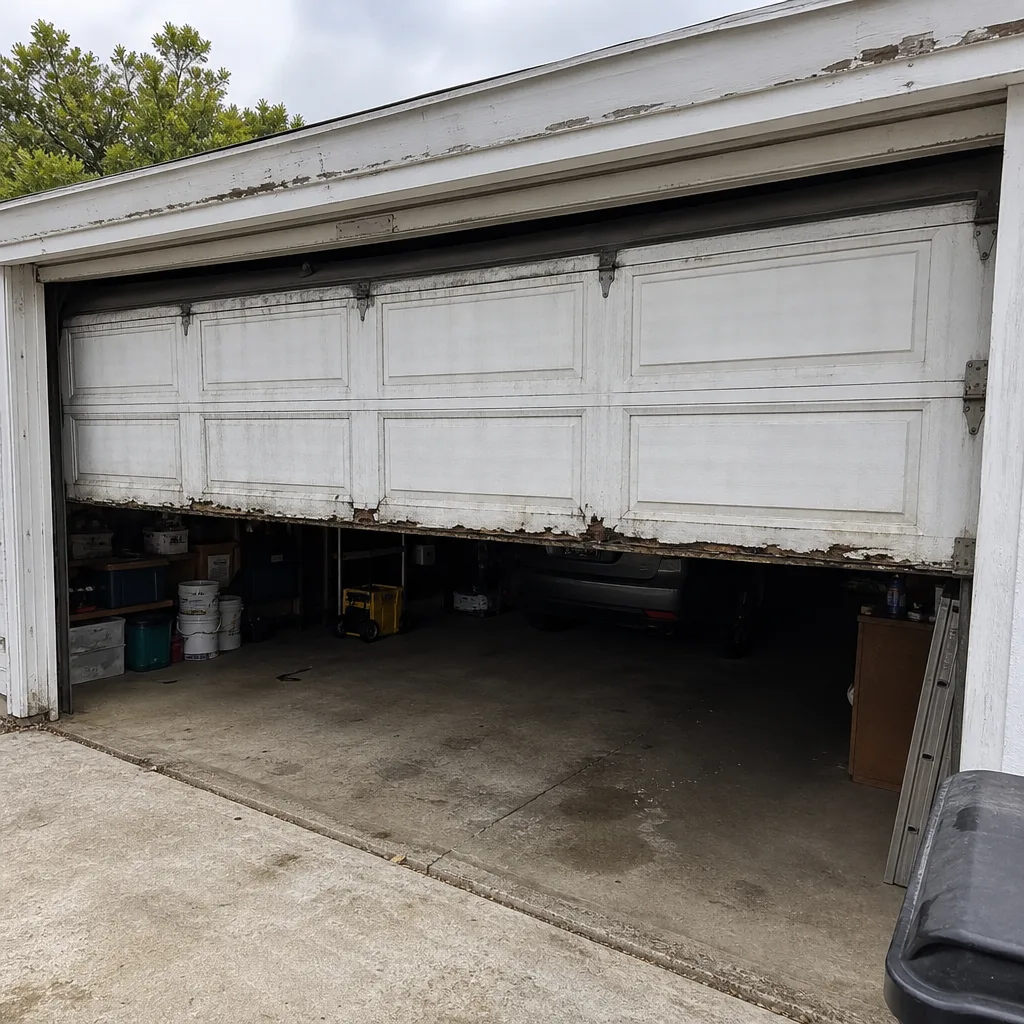 Before
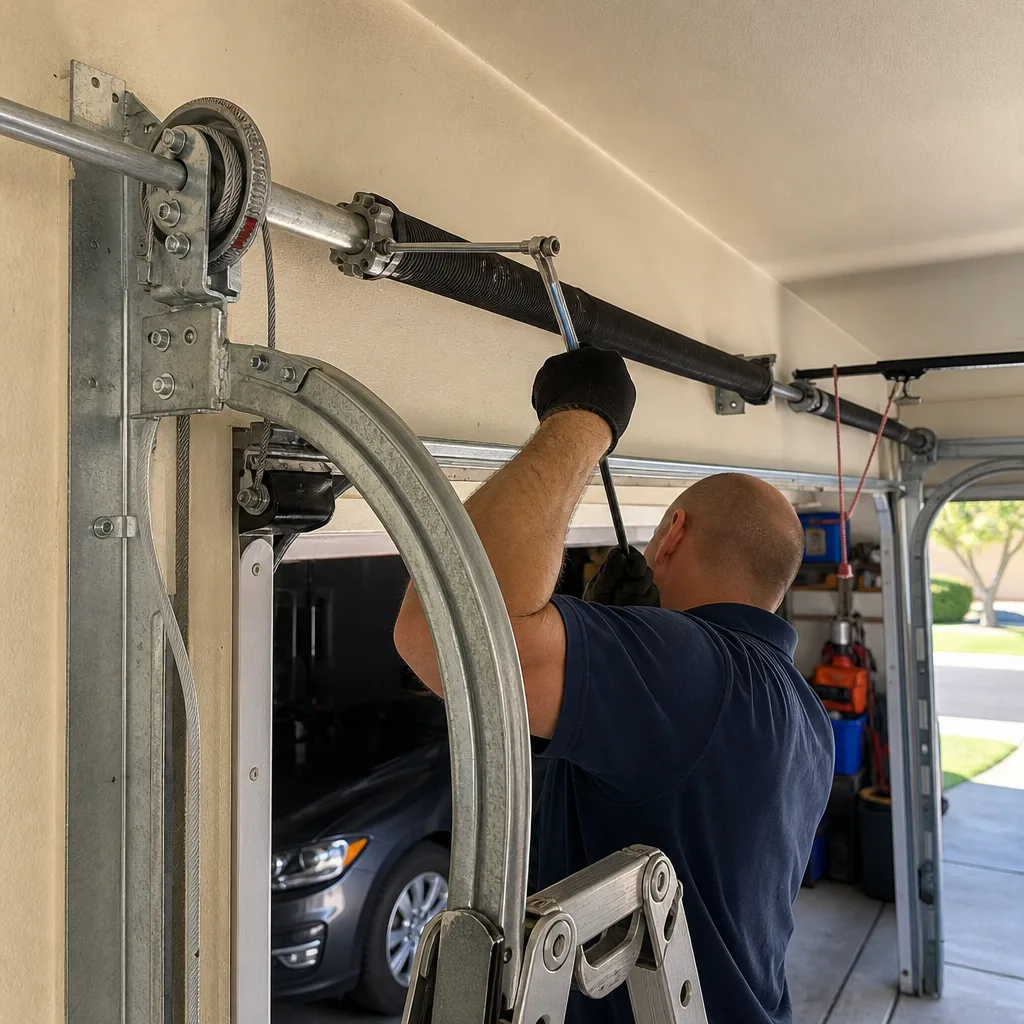 After
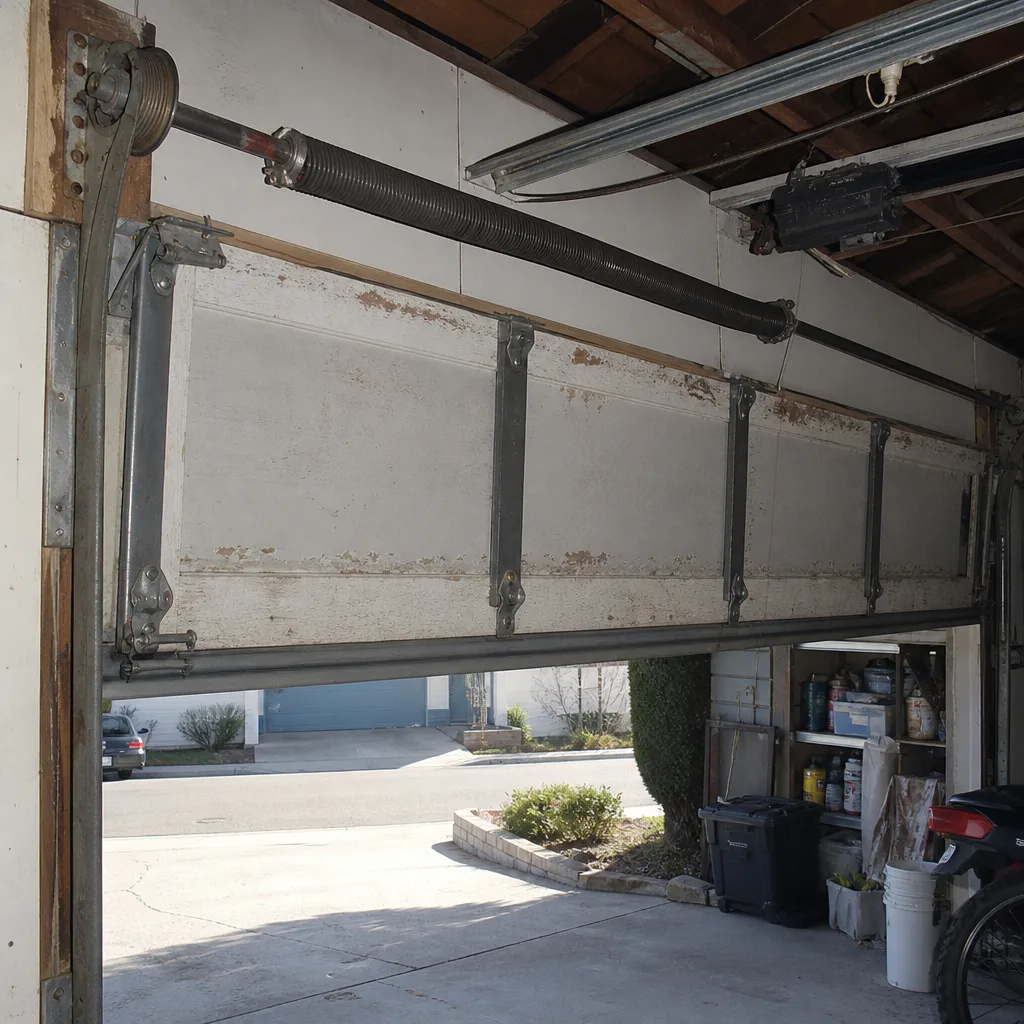 Before
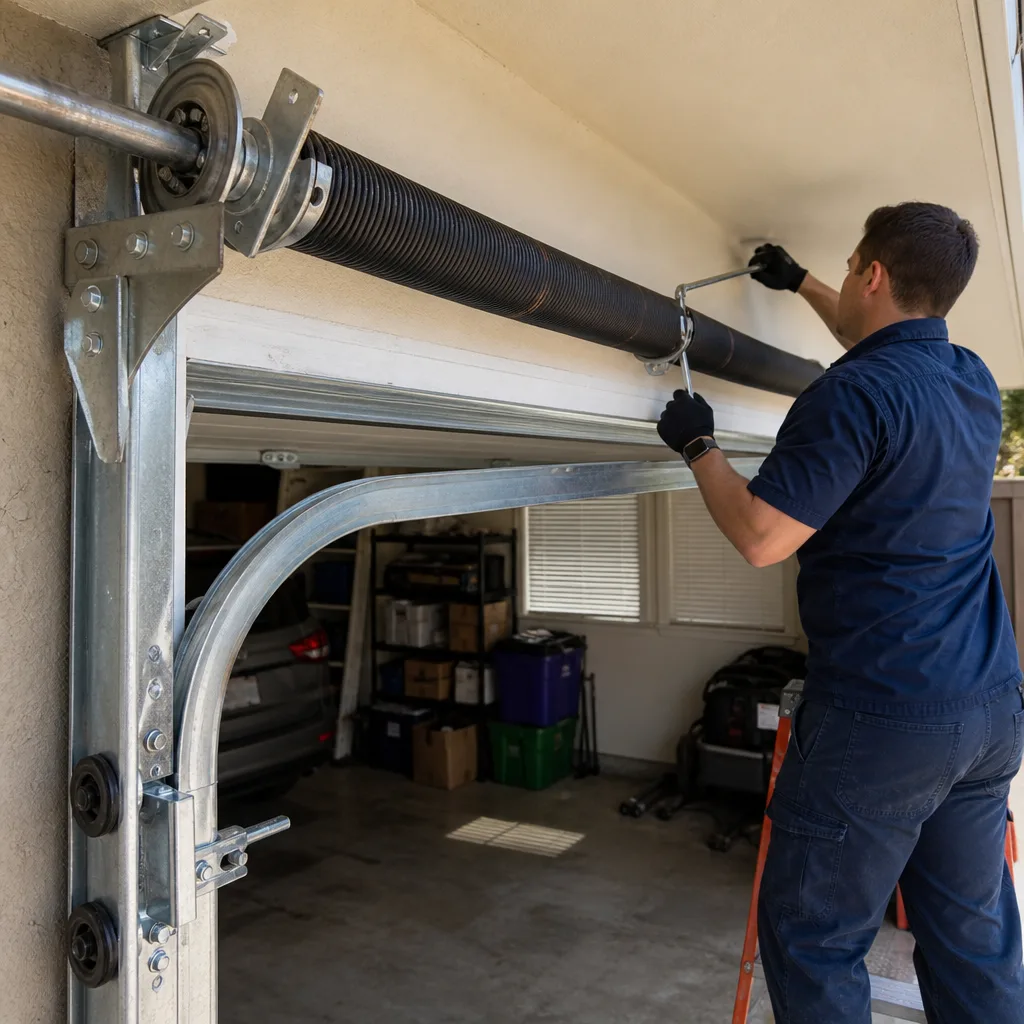 After