
Last updated November 2, 2026
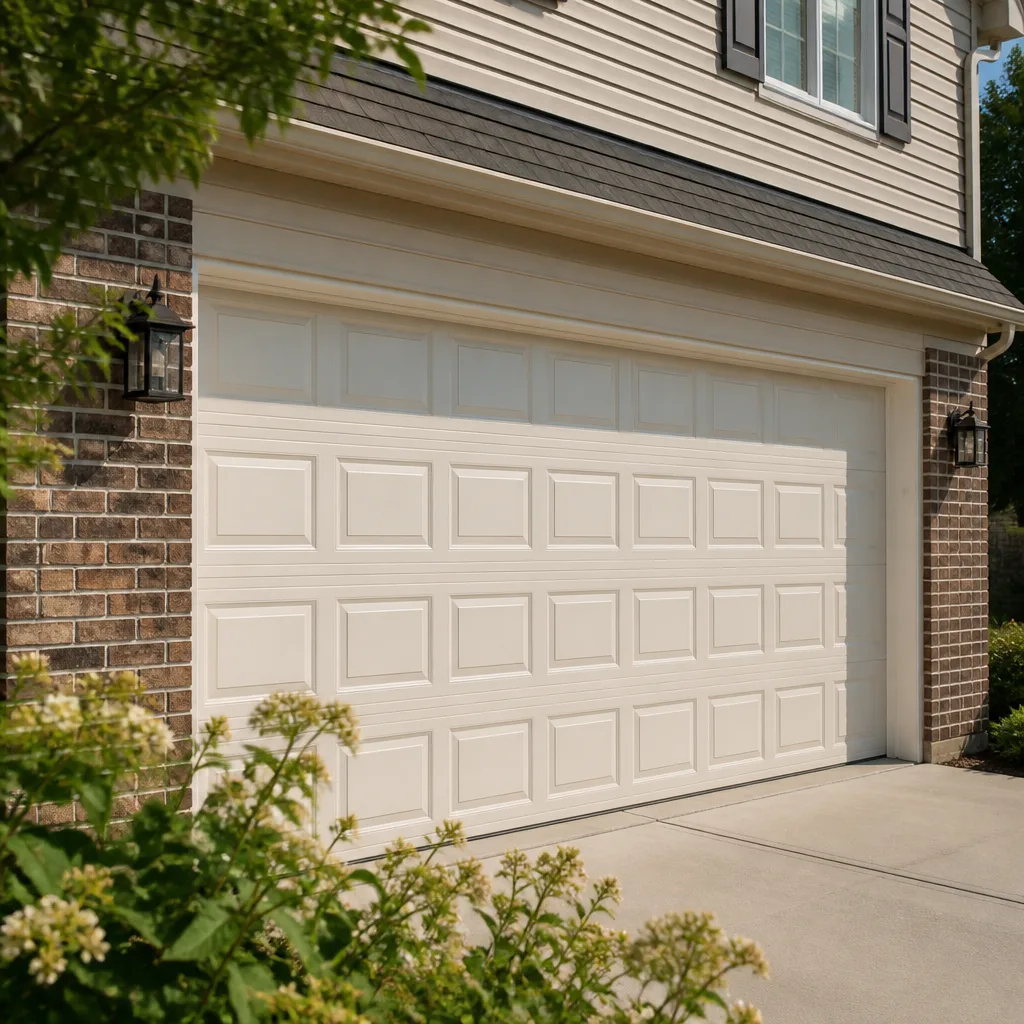 Raised-panel steel
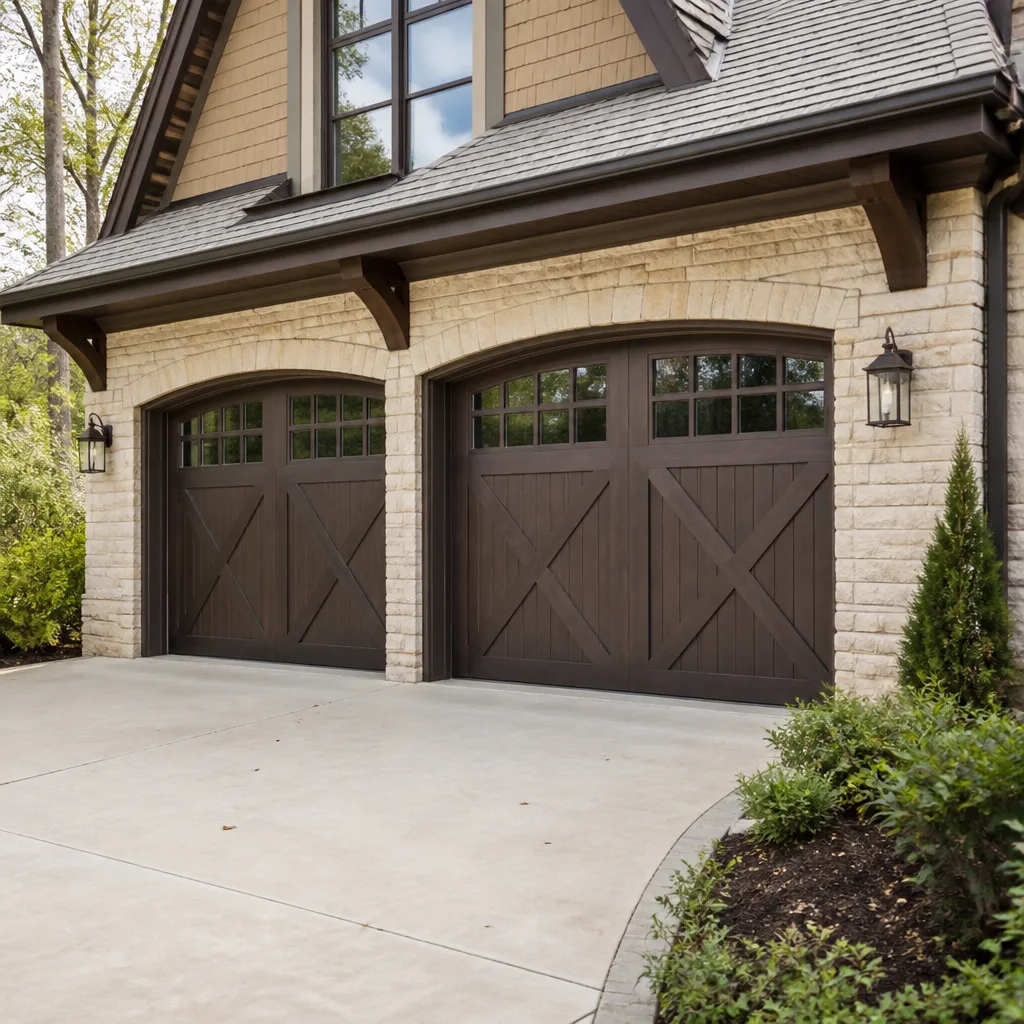 Carriage house
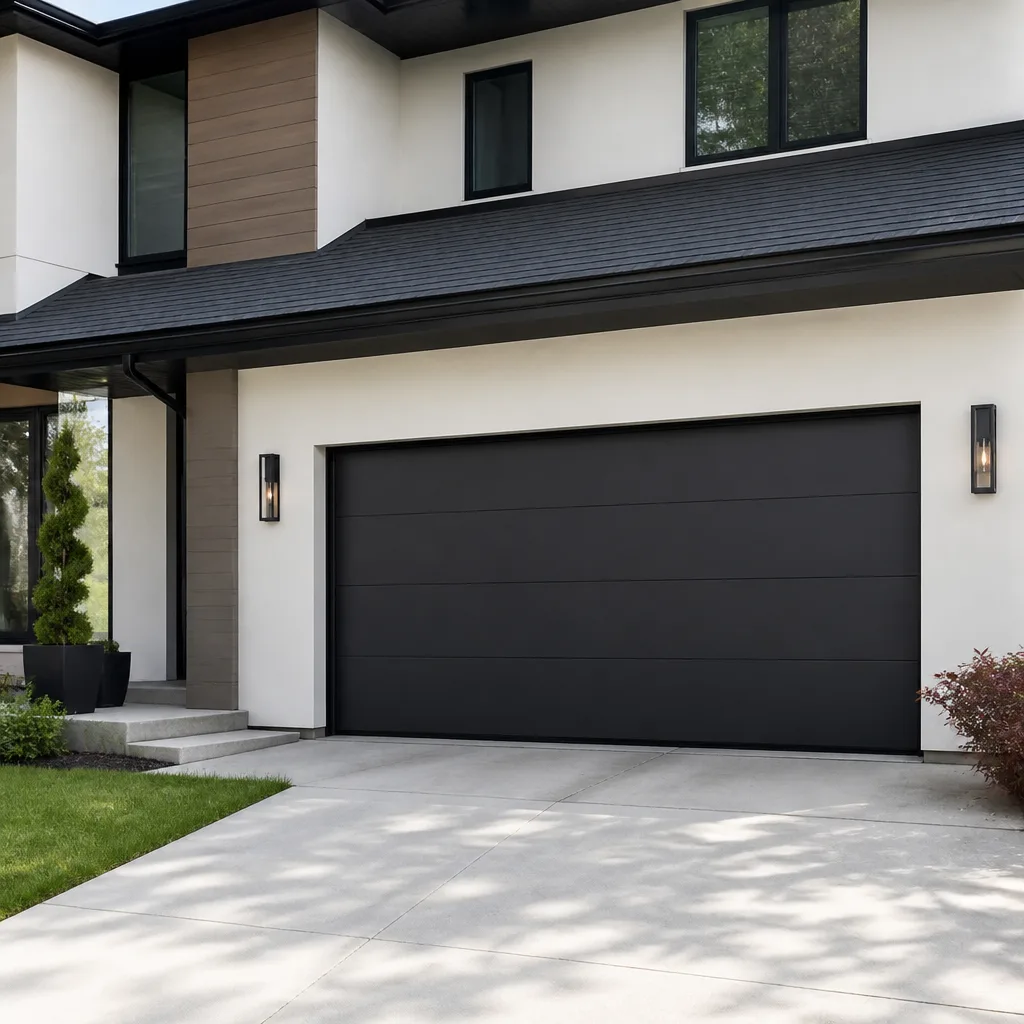 Modern flush
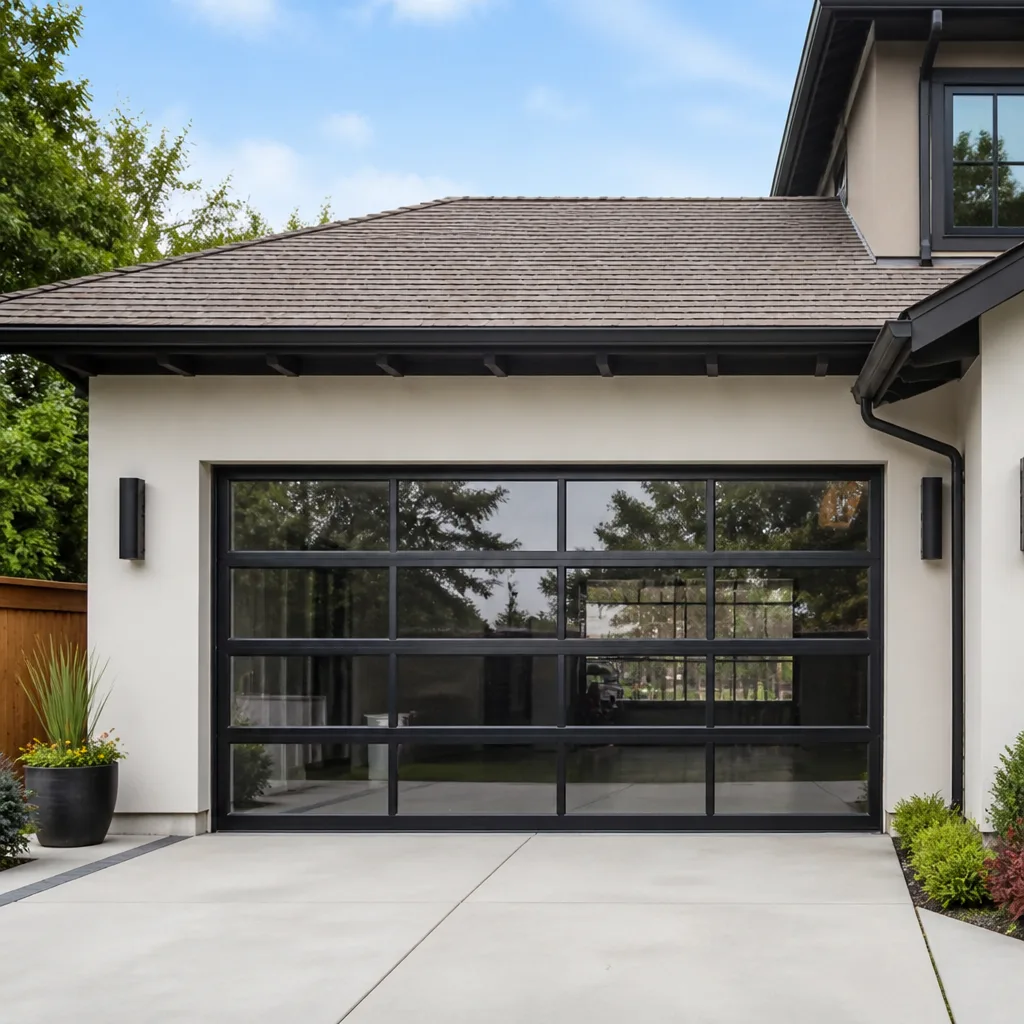 Full-view glass
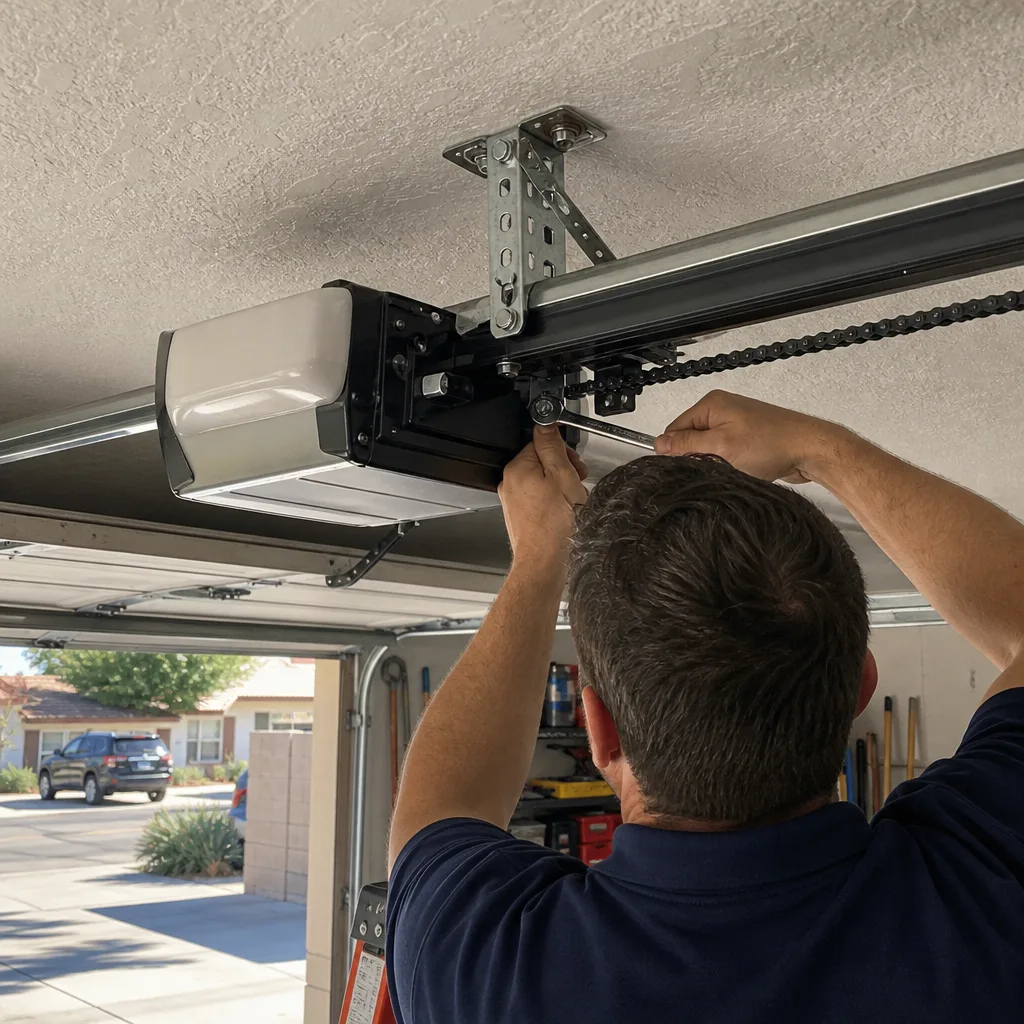
 LiftMaster openers
 Chamberlain openers
Full 25-point door and opener safety check with every visit - springs, cables, rollers, tracks, and your LiftMaster or Chamberlain opener included
You get a price before we start. It does not change when the truck arrives.
Get your free estimateGarage Door Repair Maintenance Checklist for Redlands Homeowners
Here’s what most maintenance guides won’t tell you: in Redlands, your garage door doesn’t fail in the order those guides suggest. The standard “lubricate once a year” advice assumes a mild climate where components wear evenly. But Redlands regularly hits 100°F from June through September, and that heat changes the failure sequence entirely. Springs fatigue faster, seals dry and crack, and rollers lose their lubrication within months, not years. This checklist is ordered by what actually breaks first in Redlands, drawn from years of Garage Door Repair services across the city, so you can catch problems before they strand your car in the driveway on a 104-degree afternoon.
Quick Answer
A garage door maintenance checklist for Redlands homeowners should prioritize heat-stressed torsion springs, dried-out rollers, and misaligned photo-eye sensors before addressing panels or opener electronics. Run through the inspection in the order below every six months, and you’ll catch most failures before they require a full Garage Door Repair in Redlands service call. Expect to spend about 45 minutes on the full checklist, and budget roughly $15 to $30 annually for the right lubricants and cleaning supplies.
Styles & brands we work with
- Raised-panel steel
- Carriage house
- Modern flush
- Full-view glass
- LiftMaster openers
- Chamberlain openers
Table of Contents
- 1. Check Torsion Springs and Cables First
- 2. Inspect Rollers and Hinges for Heat Damage
- 3. Lubricate the Right Components with the Right Product
- 4. Test Opener Force Settings and Auto-Reverse
- 5. Verify Photo-Eye Alignment and Function
- 6. Check Bottom Seals and Weatherstripping
- 7. Brand-Specific Maintenance Intervals for LiftMaster, Chamberlain, and Genie
- 8. What You Can Do Yourself vs. What Needs a Technician
1. Check Torsion Springs and Cables First
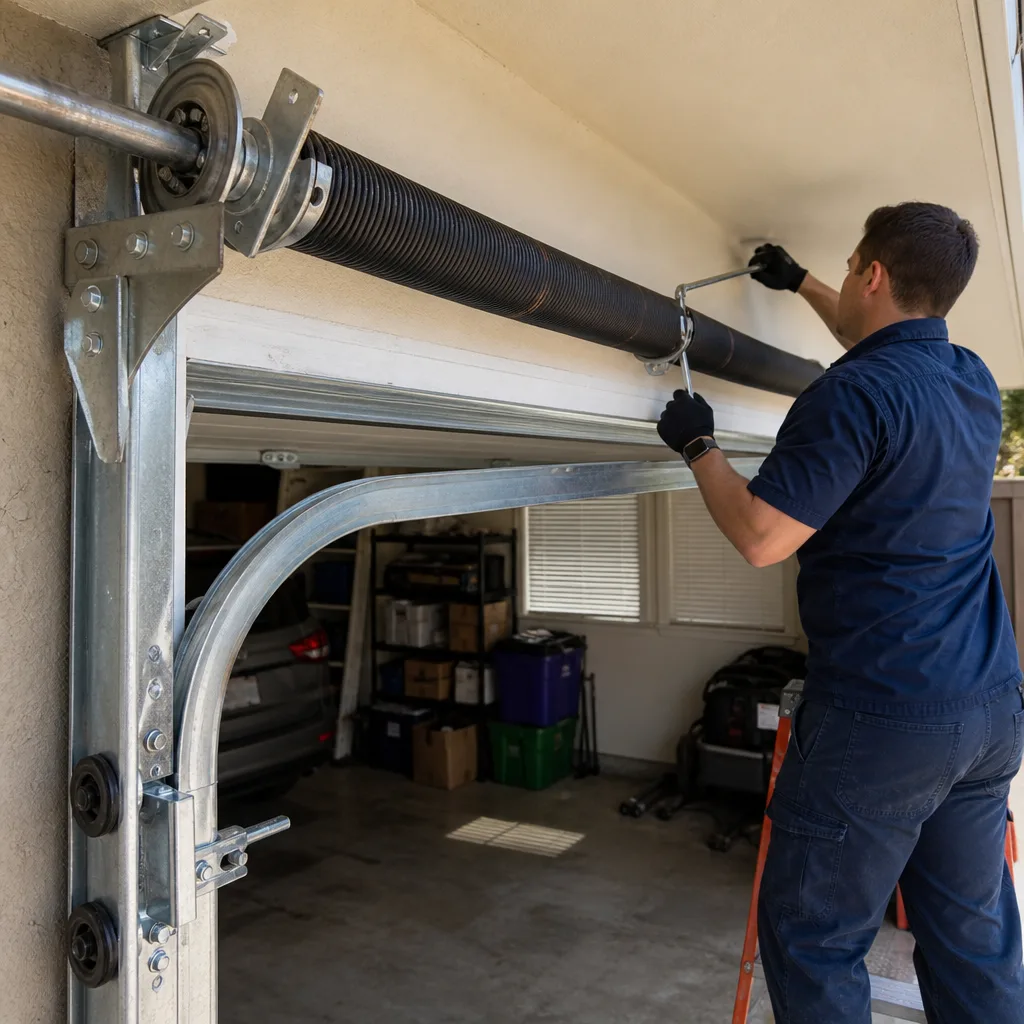
In Redlands, torsion springs fail before anything else. The heat accelerates metal fatigue, and we’ve seen springs snap in as little as five years in this climate, while the same spring in coastal Orange County might last eight or nine. That’s why this checklist starts here, not with lubrication.
Here’s what to look for during your inspection:
- Gap in the spring coil: A healthy torsion spring is one continuous coil with no visible separation. If you see a gap of even an eighth of an inch between coils, the spring is beginning to fail and will snap, often within weeks.
- Rust or corrosion on the spring surface: Surface rust is common in Redlands due to the dry heat and occasional Santa Ana winds carrying fine dust. Light rust is cosmetic, but deep pitting weakens the metal.
- Cable fraying near the bottom bracket: The lifting cables attach to brackets at the bottom corners of the door. Run your finger along the cable (carefully, without pulling) and feel for broken strands or kinks.
- Door imbalance: Pull the manual release cord (with the door closed) and lift the door about halfway. A well-balanced door stays put. If it drops or climbs on its own, the springs are losing tension.
Important safety note: Torsion springs are under extreme tension and cause serious injury if mishandled. Never attempt to adjust, replace, or even remove a spring yourself. If you find a gap, rust pitting, or frayed cables, call a professional. This is the one item on this checklist where inspection is safe but repair is not.
2. Inspect Rollers and Hinges for Heat Damage
Rollers are second on the failure list in Redlands because the bearing grease inside them dries out faster in sustained heat. Once the grease goes, the roller stops rolling and starts sliding, which wears flat spots onto the wheel and creates that grinding, rumbling noise you hear when the door operates.
Check each roller individually:
- With the door closed, stand inside the garage and look at each roller where it meets the track.
- Look for visible cracks in nylon rollers or flat spots on steel rollers.
- Listen during operation: a rumbling sound means at least one roller has lost its bearing lubrication.
- Look for black dust or rubber shavings on the track. This indicates roller material is wearing away.
Steel rollers typically last three to five years in Redlands heat. Nylon rollers with sealed bearings last longer, often seven to ten years, but only if the bearing seals remain intact. When we replace rollers on Redlands homes, we use nylon rollers with sealed bearings because they handle the dry heat better than unsealed steel alternatives. The hinges themselves rarely fail outright, but the pivot points they create between door sections can wear oblong, which causes the door to bind or pop during operation.
3. Lubricate the Right Components with the Right Product
If you remember only one thing from this guide, make it this: WD-40 is not a garage door lubricant. In Redlands, using WD-40 on a torsion spring is one of the most common mistakes we see from well-meaning homeowners. WD-40 is a solvent and water displacer, not a long-term lubricant. It strips away the existing protective coating and leaves metal bare and vulnerable to the dry heat. Within months, the spring surface rusts and the wear accelerates.
Use these products instead:
- For torsion springs: A lithium-based white grease or a dedicated garage door spring lubricant. Spray along the entire length of the spring, top and bottom. Do this every six months in Redlands. Some homeowners do it every four months during prolonged heat waves.
- For rollers (metal rollers only): A silicone-based spray lubricant applied to the bearing area. Do not lubricate nylon rollers, as the lubricant attracts dust that accelerates bearing wear.
- For hinges: The same silicone spray, applied to each pivot point. Two or three drops per hinge is plenty.
- For the opener chain or screw drive: White lithium grease for screw drives, light machine oil for chains. Check your opener manual for the manufacturer’s specific recommendation.
Skip lubricating the track entirely. The track doesn’t need it, and oil on the track attracts the fine dust that blows through Redlands during Santa Ana wind events. That dust mixes with lubricant to create a gritty paste that actually slows the rollers down.
4. Test Opener Force Settings and Auto-Reverse
Your opener’s auto-reverse mechanism is the safety feature that stops the door from crushing anything in its path. It’s also the only part of your garage door system that federal law requires to work correctly. Test it every three months, not once a year. In Redlands, we recommend quarterly testing because the temperature swings between summer and winter affect the opener’s force sensitivity settings.
How to test auto-reverse (mechanical test):
- Place a roll of paper towels or a 2×4 flat on the ground in the center of the door opening.
- Close the door using the wall button or remote.
- The door should reverse within two seconds of contacting the object. If it doesn’t reverse immediately, call a technician.
How to test force sensitivity (photo-eye test):
- With the door open, wave your hand in front of one of the photo-eye sensors near the floor.
- Press the close button. The door should not close at all. If it starts closing, the sensors are misaligned or the force setting is too high.
- Release the button and wave your hand again. The door should reverse immediately if it is already closing.
If your opener fails either test, it may simply need a force adjustment, which a technician can complete in under 15 minutes. But it’s not a DIY adjustment. Setting the force too high overrides the safety mechanism, and setting it too low causes the door to reverse when you’re trying to close it normally.
5. Verify Photo-Eye Alignment and Function
Photo-eye misalignment is the most common opener problem we diagnose in Redlands, and it’s almost always caused by something small: a broom that nudged the sensor bracket, a car tire that bumped it while parking, or the ground shifting slightly during the wet winter months.
Here’s how to check alignment at home:
- Look at both sensors, one on each side of the door track, mounted about six inches off the ground.
- Check whether both sensors have a small LED light illuminated. One should be solid green, the other solid red or amber, depending on your opener brand.
- If one light is blinking, the sensors are misaligned. Loosen the wing nut on the bracket and gently adjust the sensor until the light turns solid.
- Clean the lens with a soft dry cloth. Dust and spider webs are common causes of intermittent sensor failure in Redlands garages.
If you can’t get the light to turn solid after five minutes of adjustment, stop. The problem may be a wiring fault rather than alignment, and a technician can diagnose that quickly with a multimeter. For Genie and Chamberlain systems, the blinking pattern sometimes indicates a specific error code. We can read those codes on-site.
6. Check Bottom Seals and Weatherstripping
The rubber seal along the bottom of your garage door takes a beating in Redlands. Summer temperatures soften the rubber, and winter’s occasional rain and morning frost harden it. The result is a seal that cracks along the bottom edge and lets dust, leaves, and even small pests into your garage.
Inspect the bottom seal twice a year:
- Run your hand along the underside of the seal while the door is closed. Feel for cracks, tears, or flat spots where the rubber no longer makes contact with the concrete.
- Look for daylight showing under the door. If you see light, the seal is either worn or the door is out of level.
- Check the weatherstripping on the sides and top of the door frame. The side jambs and header often show more wear on the south-facing side of Redlands homes, where direct sun exposure accelerates rubber degradation.
Replacing a bottom seal is a manageable DIY job for most homeowners and costs about $20 to $40 in materials. But if the seal is wearing unevenly, or if the door is out of level by more than a quarter inch, that’s a balance or track issue that requires a professional adjustment. For homes in Redlands’ older neighborhoods like the South Redlands historic district, where garage floors often have settled, we recommend having a technician assess the door level before replacing any seal.
7. Brand-Specific Maintenance Intervals for LiftMaster, Chamberlain, and Genie
Generic advice says to lubricate your opener once a year and replace the battery in your remote when it dies. But different opener brands have different maintenance needs, and Redlands homeowners who follow generic schedules often miss the brand-specific items that matter most.
LiftMaster openers: LiftMaster recommends checking the belt or chain tension every six months and replacing the remote battery annually. The belt stretches slightly during the first year of operation, and a loose belt causes the door to jerk or rattle on startup. Most LiftMaster models also have a notification system that beeps when the battery backup unit needs replacement, typically every one to two years. In Redlands, where power outages happen during summer heat waves and Santa Ana wind events, check that battery backup annually.
Chamberlain openers: Chamberlain openers share the same mechanical platform as LiftMaster but use different safety sensor components. The photo-eye sensors on Chamberlain models are particularly sensitive to dust and alignment, so clean the lenses quarterly in Redlands. Chamberlain also recommends resetting the travel limits whenever you notice the door stopping short or reversing unexpectedly.
Genie openers: Genie screw-drive openers require more frequent lubrication than belt-drive competitors. The screw shaft should be lubricated with Genie’s specifically recommended lubricant every three to four months in Redlands heat, because the dry air causes the screw lubricant to break down faster. Genie models also use a different photo-eye system, and the LED lights on Genie sensors can be harder to see in bright daylight, so check them with the garage door closed.
For Garage Door Opener Repair in Redlands, knowing the brand matters. A Chamberlain force setting adjustment is not the same procedure as a Genie adjustment, and the diagnostic codes are completely different. Brand-specific parts, not generic substitutes, keep your system running the way the manufacturer intended.
8. What You Can Do Yourself vs. What Needs a Technician
Some maintenance tasks are safe for homeowners, and some will void your warranty if you attempt them without training. The line between the two is not always obvious, so here’s how to know.
Safe for homeowners:
- Lubricating springs, hinges, and metal rollers with the correct product
- Cleaning photo-eye lenses and adjusting sensor alignment
- Testing auto-reverse and force sensitivity
- Replacing remote batteries and reprogramming remotes (if you have the manual)
- Inspecting cables, springs, and rollers visually
- Replacing bottom seals on a level door
Requires a technician:
- Any adjustment, replacement, or repair involving torsion springs
- Cable replacement or re-spooling
- Opener force setting adjustments
- Travel limit recalibration
- Track realignment or replacement
- New door installation in Redlands
If you’re ever unsure which category a task falls into, call and ask. We work on what you already have, and we’d rather answer a quick question than see a homeowner attempt something dangerous or void a warranty. For Clopay, Amarr, Wayne Dalton, and Raynor doors, most manufacturers require professional installation to keep the warranty valid on major components.
Common Mistakes to Avoid
- Using WD-40 on torsion springs. It strips protective coatings and accelerates rust in Redlands’ dry heat. Use lithium grease or a dedicated spring lubricant instead.
- Lubricating nylon rollers. The lubricant attracts dust and grinds into the sealed bearing, shortening the roller’s life. Nylon rollers are designed to run dry.
- Ignoring a spring gap because the door still opens. A small gap in a torsion spring means the spring has already begun to fail. It will snap, and usually at the worst possible moment.
- Oiling the track. The track doesn’t need lubrication. Oil on the track just collects the fine dust that Santa Ana winds blow through Redlands.
- Testing auto-reverse with a cardboard box. Cardboard compresses and gives a false pass. Use a roll of paper towels or a 2×4, which better simulates a real obstruction.
- Adjusting photo-eyes by trial and error without checking for wiring issues. If the sensor light won’t turn solid after five minutes, the problem is likely electrical, not alignment. Continuing to adjust the bracket can make the problem worse.
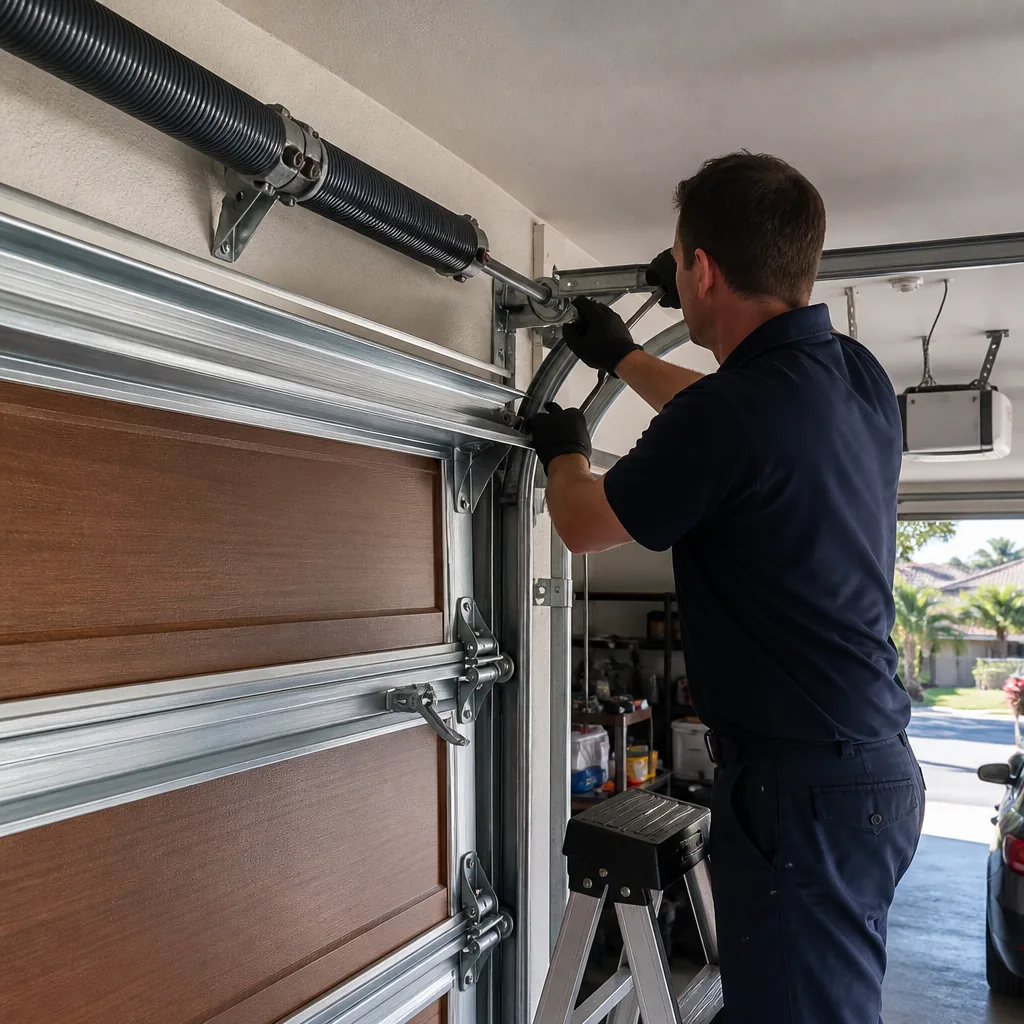
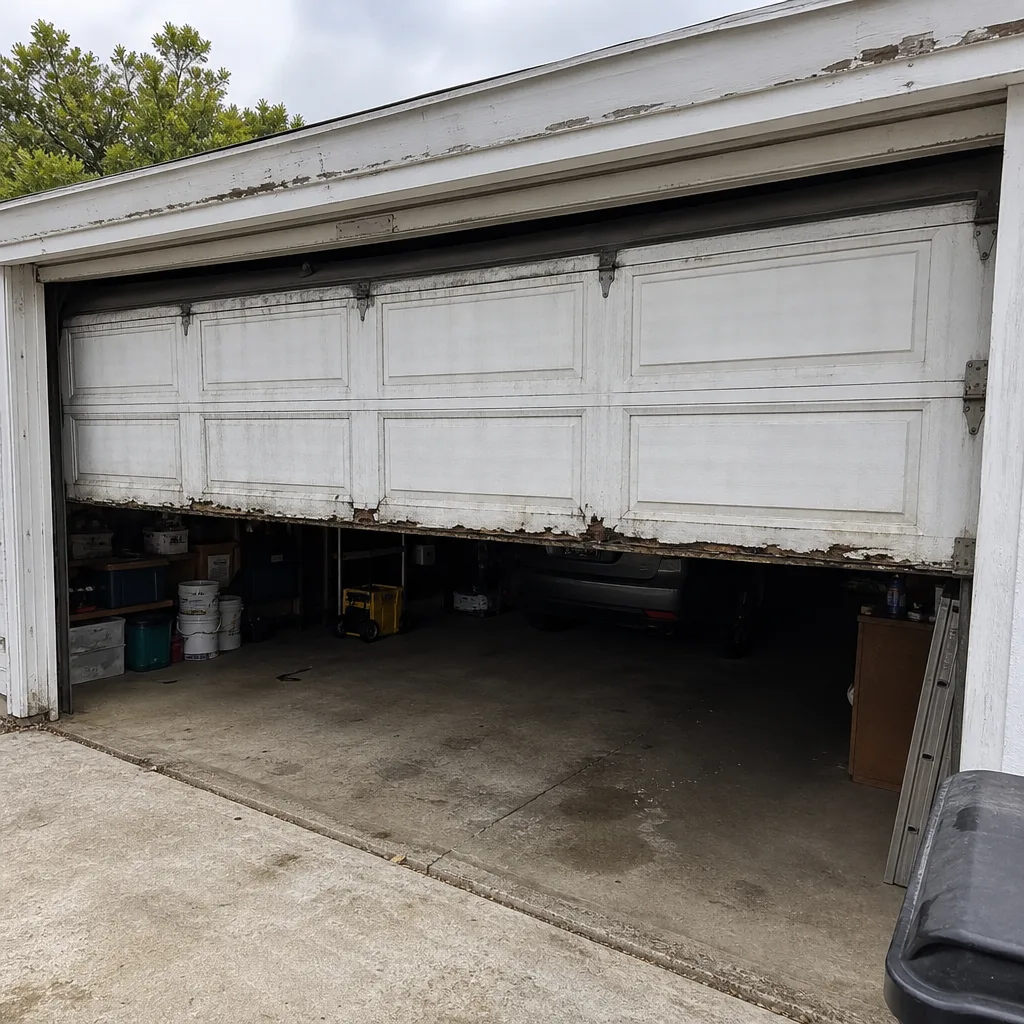
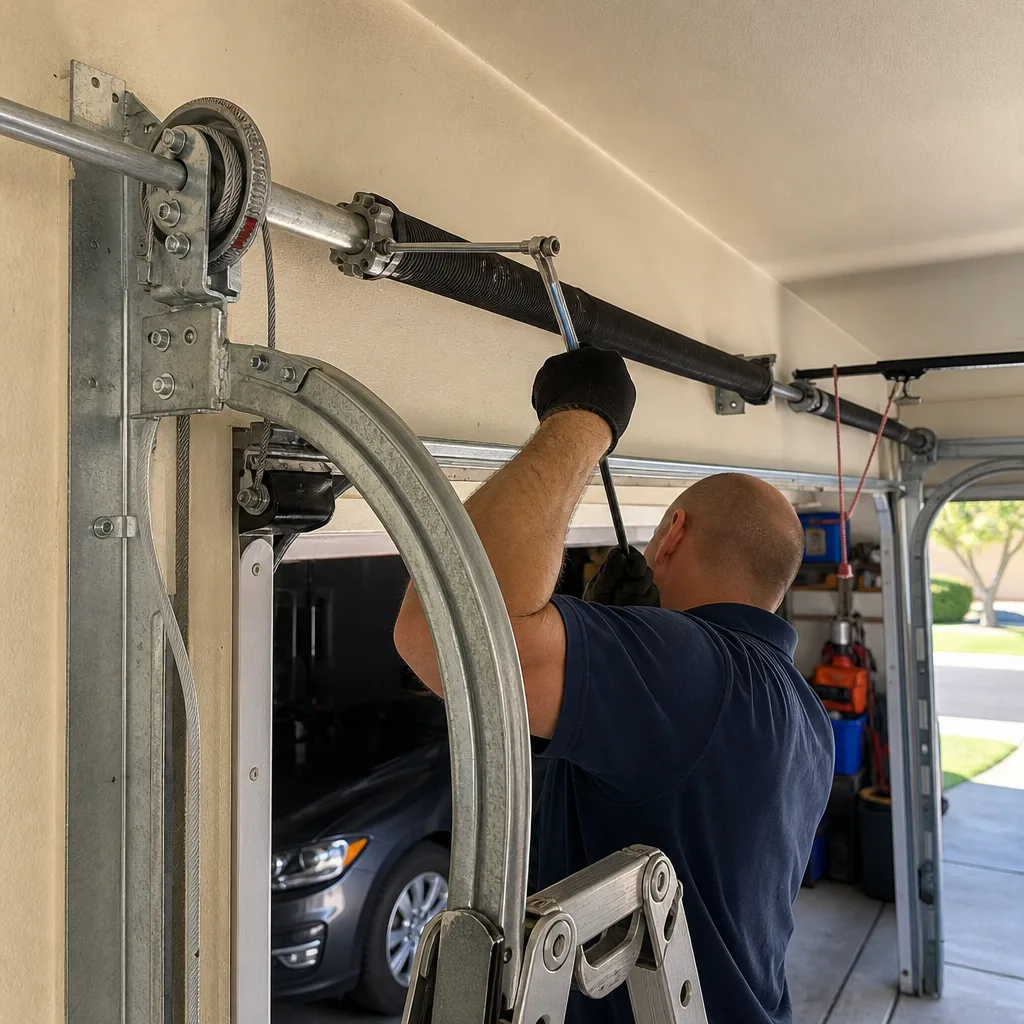
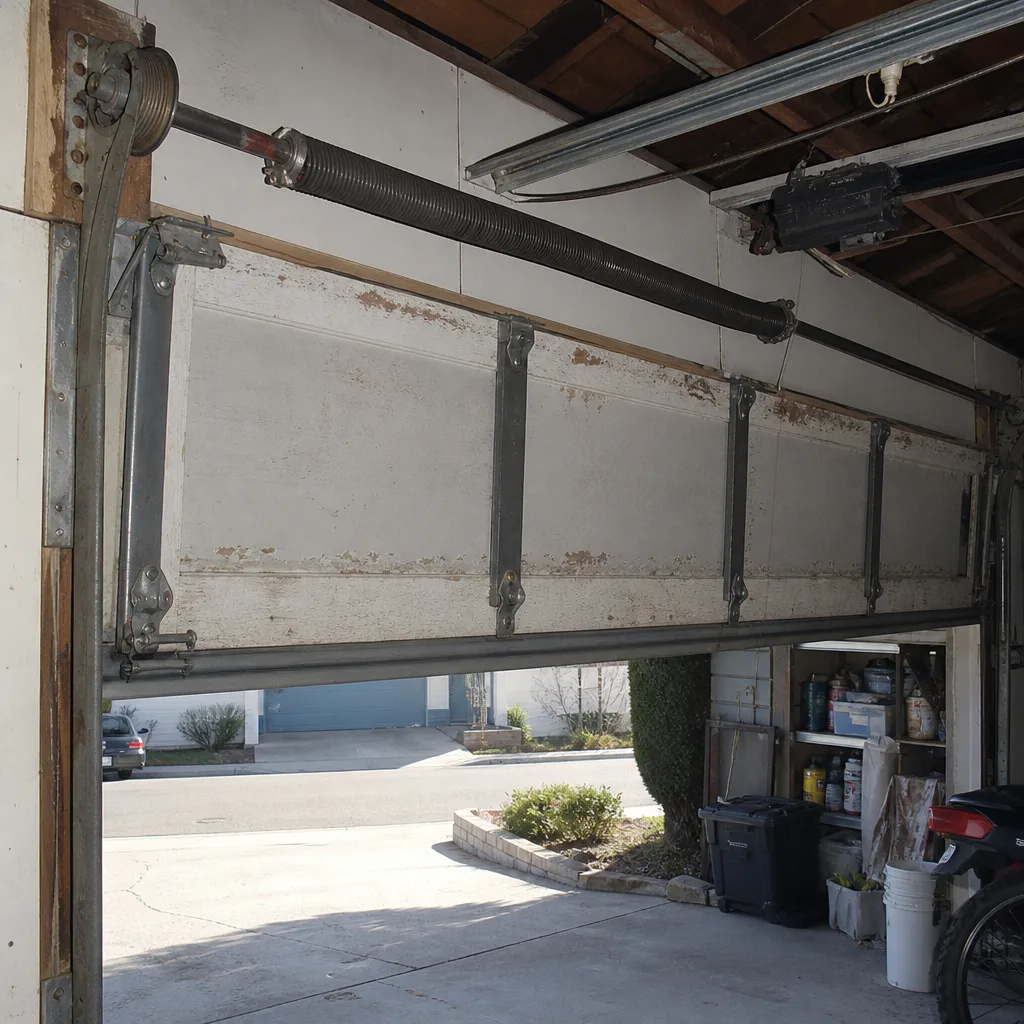
See the difference
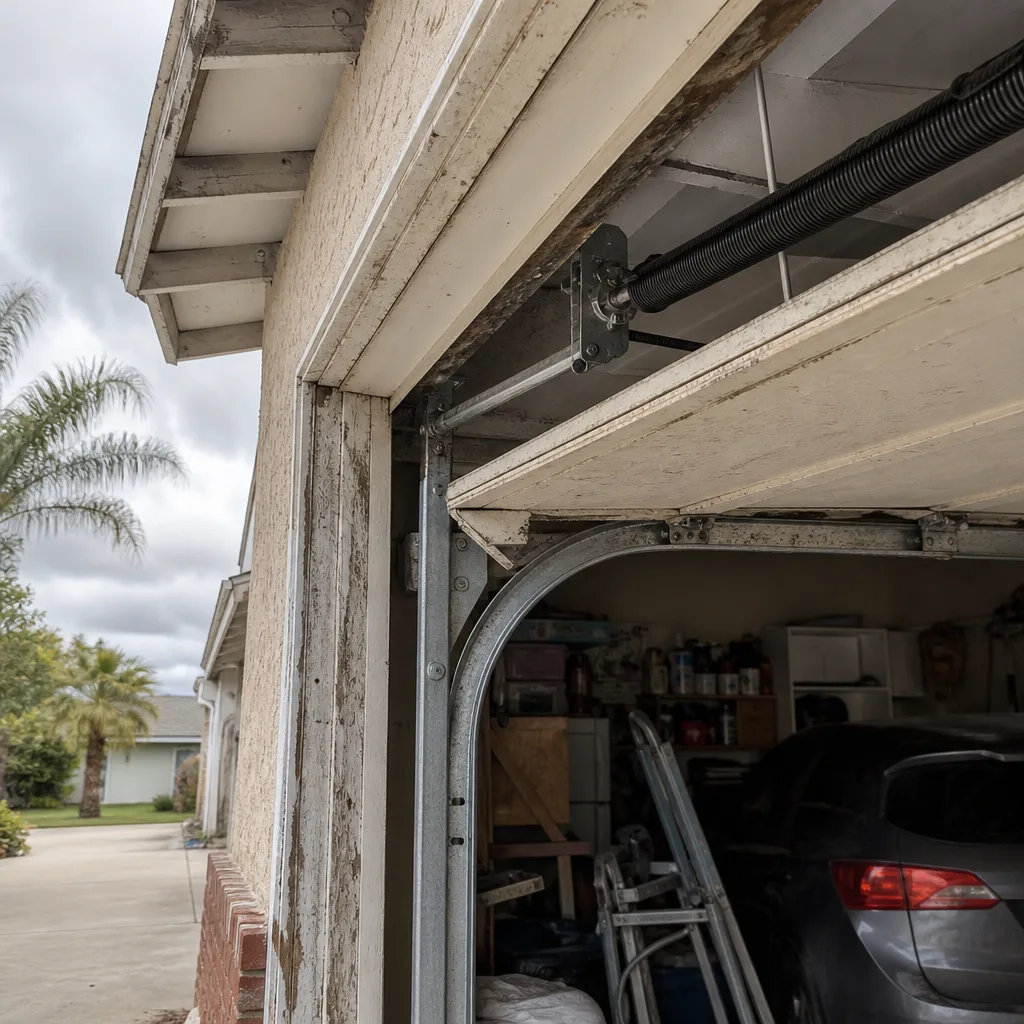 Before
 After
 Before
 After
 Before
 After
When to Call a Professional
Call a professional if you see a gap in your torsion spring, frayed cables, or visible track damage. These are not maintenance items, they are repair items, and attempting to fix them yourself risks serious injury. Also call if your opener fails the auto-reverse or photo-eye tests, if the door makes a grinding or popping noise that persists after lubrication, or if you’ve never had the spring balance checked and the door is more than five years old. A technician can complete a full safety inspection and spring balance check in about an hour. If you’re in Redlands, Garage Door Repair Redlands offers free estimates on all maintenance and Garage Door Repair Redlands home service calls. Call (833) 589-9897.
Frequently Asked Questions
Lubricate torsion springs and metal rollers every six months, and every four months during prolonged summer heat waves when daytime highs stay above 100°F for two weeks or longer. The heat breaks down lubricant faster in Redlands than in coastal climates, so the standard once-a-year advice doesn’t apply here.
Yes, for lubrication, cleaning, visual inspections, seal replacement, and safety testing. No, for spring work, cable work, track adjustments, and opener force calibration. Those tasks require training and specialized tools, and attempting them without both can cause injury or void your warranty.
A full maintenance visit, including lubrication, balance check, safety system testing, and minor adjustments, typically runs between $85 and $150 in Redlands. Spring replacement costs $180 to $340 depending on spring size and warranty period. Call (833) 589-9897 for a free estimate before any work begins.
Look for a visible gap in the spring coil, rust pitting on the surface, or a door that won’t stay balanced when lifted halfway. See our Garage Door Warning Signs: A Redlands Homeowner’s Reference Guide for the full list. A healthy spring shows no gaps and holds the door steady at the halfway point. Any of these signs mean replacement is near.
Lithium-based white grease or a dedicated garage door spring lubricant, applied every six months in Redlands. Avoid WD-40, which strips protective coating and leaves springs vulnerable to the dry heat. Silicone spray works well for hinges and metal rollers.
We work on the eight major residential garage door and opener brands: LiftMaster, Chamberlain, Genie, Craftsman, Clopay, Amarr, Wayne Dalton, and Raynor. That covers the full garage door system, from opener drive units to door panels, with brand-specific parts and diagnostics.
The Bottom Line
Garage door maintenance in Redlands is not the same as garage door maintenance in coastal California. The heat changes the failure sequence: springs fatigue first, then rollers lose their lubrication, then photo-eyes drift out of alignment. If you check your system in that order, every six months, you’ll catch most problems before they strand you. Use the right lubricant on the right components, test your safety systems quarterly, and know which tasks belong to you and which belong to a technician. For more guides & resources, explore our blog. And when something does break, or when you just want a professional opinion, call us. Repair, opener service, or full installation, handled by one specialist. Eight brands. One call.
Written by the team at Garage Door Repair Redlands, serving Redlands since 2018.